

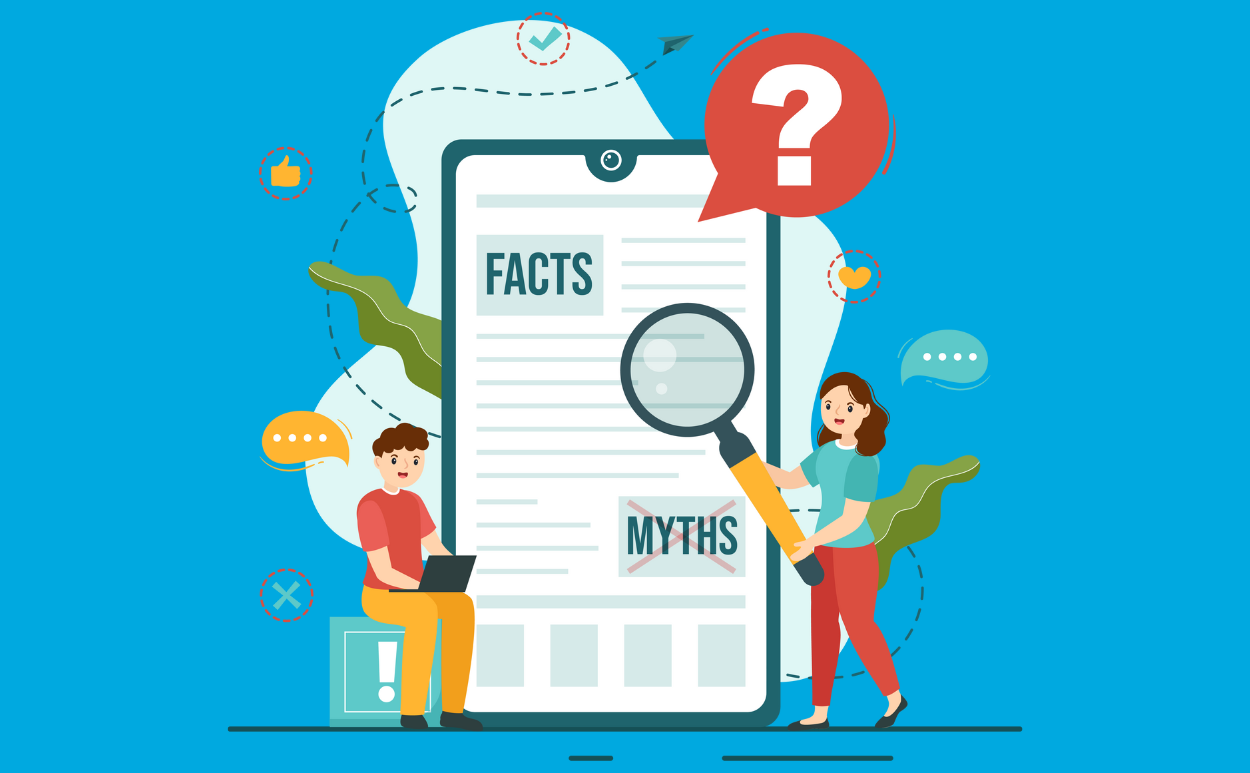
Trying to find accurate health information can sometimes seem like looking for a needle in a haystack. Get the facts about where you can turn for the information you need.
People have been sharing misinformation about health and wellness for decades, but the problem has grown in recent years. In the past, inaccurate health information spread gradually, but these days it spreads more quickly on the internet and social media specifically.
With so many resources at your fingertips, where should you turn for accurate health information? We’re shining a light on the topic below.
Understanding the ‘Pandemic of Misinformation’
Since the COVID-19 pandemic began in 2020, many studies have looked at the spread of inaccurate health information, finding it’s a steadily growing problem. An article in a publication by the American Psychological Association calls it an “infodemic.”Johns Hopkins Center for Health Equity refers to it as a “pandemic of misinformation.”
Whatever you call it, the spread of inaccurate information about medical conditions, the prevention of illness, vaccines, and treatment options has kept many people from getting the health services they need—and even led to some preventable illnesses and deaths. The problem is especially significant in communities that are already marginalized, meaning they have a difficult time accessing the quality care they need.
And sadly, health disinformation is also common. Like misinformation, disinformation is inaccurate, but it is spread with the intent to deceive and cause harm, whereas misinformation is simply wrong.
“Misinformation and disinformation about health topics are a major problem today,” says James King, MD, family medicine physician with West Tennessee Medical Group. “As medical providers, we often see patients who don’t trust us because they’ve previously seen inaccurate information online or from people without medical training. Our role is to share accurate, factual information about what we can do to stay healthy and well.”
Where to Find Accurate Health Information
With so much health misinformation online and the emergence of artificial intelligence, where do you turn for accurate health information? These tips can point you in the right direction:
- Pay attention to URL endings. In general, you’ll find more trustworthy health information on websites ending in .gov, .edu, or .org. These website domains are often owned and operated by the government, a university or college, or a reputable health organization.
- But give ‘.org’ sites a close look. Some organizations aren’t as reputable as others or may offer skewed health information. Look for details about the organization’s history and purpose on the website. Pay close attention to whether they’re sponsored by or affiliated with companies or causes that could lead to biased information.
- Look for recent information. Health is always evolving. Research is ongoing, and new advances and innovations change healthcare on a regular basis. What we know about a medical condition today may not be the same tomorrow. When searching for accurate health information, look for up-to-date content, such as recently published blogs or podcasts from a trusted resource.
- Think local. When you’re curious about a health topic or looking for information, there’s no better place to turn than medical providers in your own community. You can access reputable, trustworthy information about health and wellness on our website, through our blogs and podcasts, and from our team of medical providers.
- Search, then verify. Wondering whether the information you’ve found is accurate or if it’s actually another piece of misinformation? Find it again. Look for the same information from other reputable health organizations. You can also talk with your primary care provider to verify the health information you find, either using a patient portal or at your next appointment.
The bottom line?
Hippocrates perhaps stated it best: “The greatest wealth is health.” Your health is vitally important, so be thoughtful about who you trust when it comes to your health and wellness.
“Ultimately, the best resources for accurate health information are the people who have years of educational and hands-on training in getting people healthy and keeping them that way,” Dr. King says. “When you have a question about your health, turn to your own providers, specialists in the field, and content published by hospitals and health systems.”
Your primary care provider can be a great resource for accurate health information. Don’t have a provider? Find one here.


