

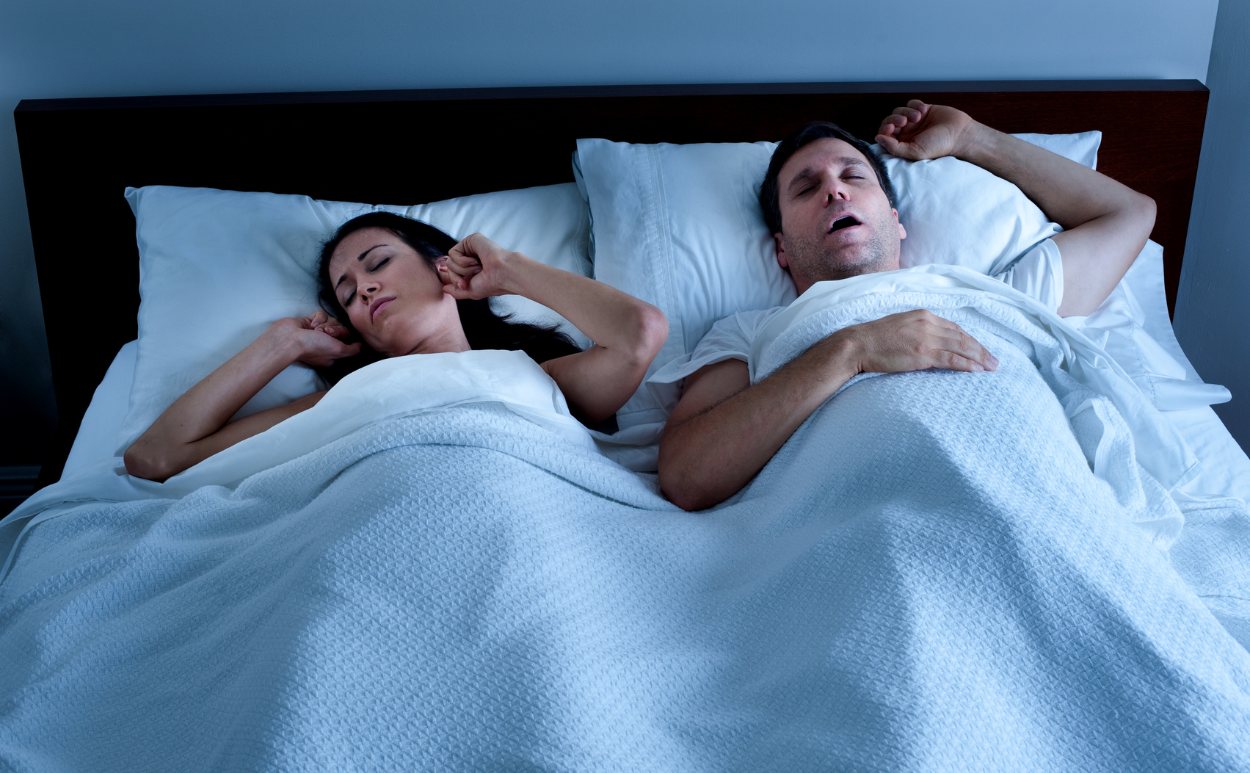
For many people, loud snoring is little more than a humorous bedtime nuisance. But snoring can be a symptom of something more serious. Sleep apnea is a common yet often undiagnosed condition of disrupted breathing during sleep. It is an issue whose consequences stretch into every corner of your health and daily life.
Sleep apnea occurs when breathing repeatedly stops and starts during sleep. The three main types are: obstructive, central and complex.
Obstructive sleep apnea (OSA) is the most common and is caused by relaxed throat muscles blocking the airway. While less common, central sleep apnea involves the brain not sending proper signals to the muscles that control breathing. Complex sleep apnea syndrome is a combination of both OSA and CSA.
Regardless of the type, the impact on your health can be significant.
Daytime Fatigue and Impaired Cognitive Function
One of the most immediate effects is chronic sleep disruption. People with it often experience dozens or even hundreds of brief awakenings each night, with most being so short they don’t even remember them. As a result, even after a full night’s sleep, they may wake up feeling exhausted. This chronic fatigue can impair concentration, memory, and decision-making. It’s not uncommon for people with untreated sleep apnea to struggle at work or school and to experience mood swings, irritability, or even symptoms of depression.
Heart Disease and High Blood Pressure
Sleep apnea puts tremendous stress on the cardiovascular system. Every time breathing stops, oxygen levels in the blood drop. The body responds by increasing heart rate and constricting blood vessels, a stress response that can lead to hypertension (high blood pressure).
Over time, this can contribute to more serious cardiovascular problems, such as heart attack, stroke, irregular heartbeats (arrhythmias) and heart failure. The risk is so significant that people with moderate to severe sleep apnea are more likely to die from heart-related conditions if the disorder is left untreated.
Type 2 Diabetes and Metabolic Dysfunction
There’s a strong link between sleep apnea and insulin resistance, which can lead to or worsen type 2 diabetes. Interrupted sleep affects the body’s ability to regulate glucose, and chronic inflammation triggered by oxygen deprivation can also impair insulin sensitivity. In addition to diabetes, sleep apnea is often associated with metabolic syndrome, a cluster of conditions including high blood pressure, abnormal cholesterol levels, and increased waist circumference that raise the risk of heart disease and stroke.
Weight Gain and Obesity
Sleep apnea and obesity often go hand in hand. Excess body weight, particularly around the neck and upper airway, can worsen it. But the relationship goes both ways as sleep apnea can make it harder to lose weight. Disrupted sleep can affect hormones that control hunger and appetite leading to increased cravings for high-calorie, high-carb foods. Fatigue also reduces motivation to exercise.
Liver Problems
People with sleep apnea are more likely to show signs of nonalcoholic fatty liver disease. Sleep-related breathing disorders can cause abnormal liver function tests and scarring in the liver over time, particularly when combined with obesity and diabetes.
Weakened Immune System
Consistently poor sleep interferes with the body’s natural immune defenses. People with untreated sleep apnea are more prone to infections like colds and flu and may have a harder time recovering from illness. The constant stress on the body from oxygen deprivation also increases systemic inflammation, further weakening the immune system.
Mental Health Challenges
Sleep apnea doesn’t just wear down the body, it can take a toll on mental health too. There’s growing evidence that untreated sleep apnea is linked to depression, anxiety and even suicidal ideation.
Complications During Surgery and Medication Use
People with sleep apnea are at higher risk of complications during surgery and while using anesthesia or sedatives. These drugs can relax the airway muscles further, increasing the risk of breathing interruptions.
Strained Relationships
Snoring, gasping, and frequent movement during the night don’t just affect the person with sleep apnea—they often disturb the sleep of a bed partner too. It can lead to relationship strain, especially if symptoms go untreated or unrecognized.
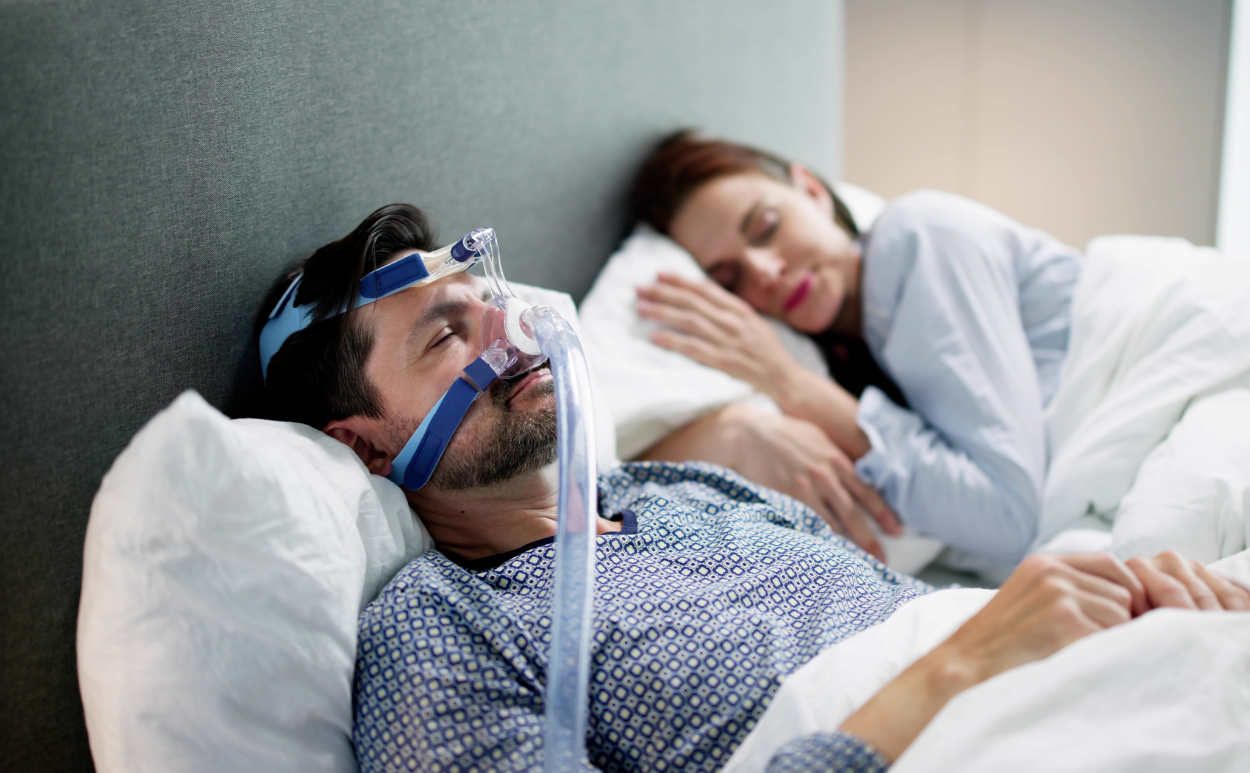
Sleep apnea is more than a snore, it’s a serious medical condition that can affect every aspect of your health. Whether you snore loudly, wake up gasping, or feel constantly tired, don’t ignore it. Talk to your healthcare provider. The good news is that with proper diagnosis and treatment, you can drastically reduce your risk of complications and get back to sleeping soundly.
At West Tennessee Healthcare Sleep Disorders Center, our team of specialists is here to help you find answers, receive a proper diagnosis, and get the care you need for better sleep and better living. To make an appointment, click here.


