

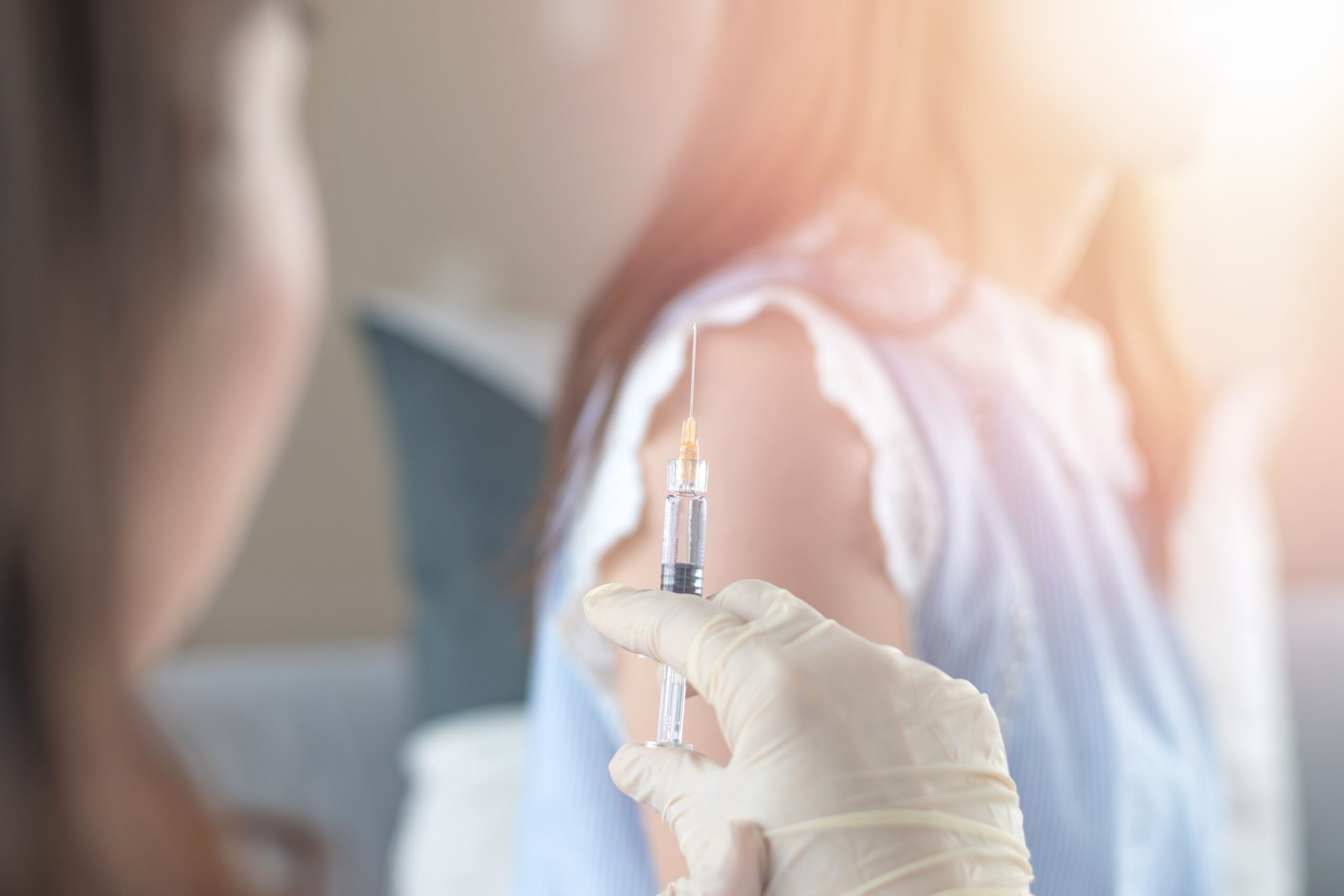
Did you know that nearly 13,360 new cases of cervical cancer were expected to be diagnosed in 2025, according to the American Cancer Society? The good news: regular screenings and the HPV vaccine can significantly reduce your risk.
Cervical Cancer: Then and Now
As recently as the 1970s, cervical cancer was considered one of the deadliest cancers. Detection typically occurred at late stages, and treatment options were extremely limited.
“In the past few decades, we’ve made significant advancements in detecting and preventing cervical cancer,” says Beckie Johnson, Certified Nurse Midwife with West Tennessee Medical Group Women’s Health. “We now have the tools to prevent the condition and detect it in its earliest stages, when it is most treatable.”
Even before the HPV vaccine was introduced in the early 2000s, regular screenings helped reduce cervical cancer rates by about 50% from the mid-1970s to the early 2000s. The introduction of the HPV vaccine has made prevention even stronger.

What Is Cervical Cancer?
Cervical cancer starts in the cells of the cervix, the lower part of the uterus. It typically develops slowly, beginning with precancerous changes in cervical cells. These abnormal cells aren’t cancerous yet, but if untreated, they can progress into cancer over time.
This is why routine cervical cancer screenings, such as Pap smears and HPV tests, are critical. These screenings detect precancerous changes early, allowing for treatment before cancer develops.
The HPV Connection
Human papillomavirus (HPV) is a sexually transmitted infection that’s extremely common, about 85% of sexually active people will get HPV at some point in their lives. Most infections cause no symptoms, but certain strains of HPV can lead to cervical cancer.
HPV is the primary cause of cervical cancer, and it’s also linked to other cancers, including:
Vaginal and vulvar cancers
Anal cancer
Penile cancer
Certain throat cancers
HPV can also cause genital warts.
Why the HPV Vaccine Is a Gamechanger
The first HPV vaccine was approved in 2006, with an updated version released in 2014. Both vaccines protect against the strains of HPV most likely to cause cancer and precancerous changes.
Because the vaccine is most effective before exposure to HPV, it’s recommended for boys and girls at ages 11 or 12, but it can be given through age 26, and sometimes beyond, based on your doctor’s advice.
“Since the HPV vaccine was approved, the number of HPV infections has dropped significantly,” says Johnson. “According to the CDC, infections with the HPV strains most commonly tied to cancer have decreased by nearly 90%.”
The benefits are clear:
Cervical precancers have dropped by about 40% among vaccinated girls and women.
A 2020 Swedish study found a 90% reduction in cervical cancer cases among vaccinated women.
A 2021 UK study showed the vaccine reduced cervical cancer by 87% and lowered pre-cancer rates.
Take Action: Protect Yourself and Your Family
The HPV vaccine and routine screenings are powerful tools in the fight against cervical cancer. If you’re unsure whether the vaccine is right for you or your child, talk with your healthcare provider.
West Tennessee Medical Group Women’s Health offers expert obstetric and gynecological care, including screenings and preventive services.
📞 Call (731) 587-5321 to schedule your appointment today.
Updated: July 31, 2025


