

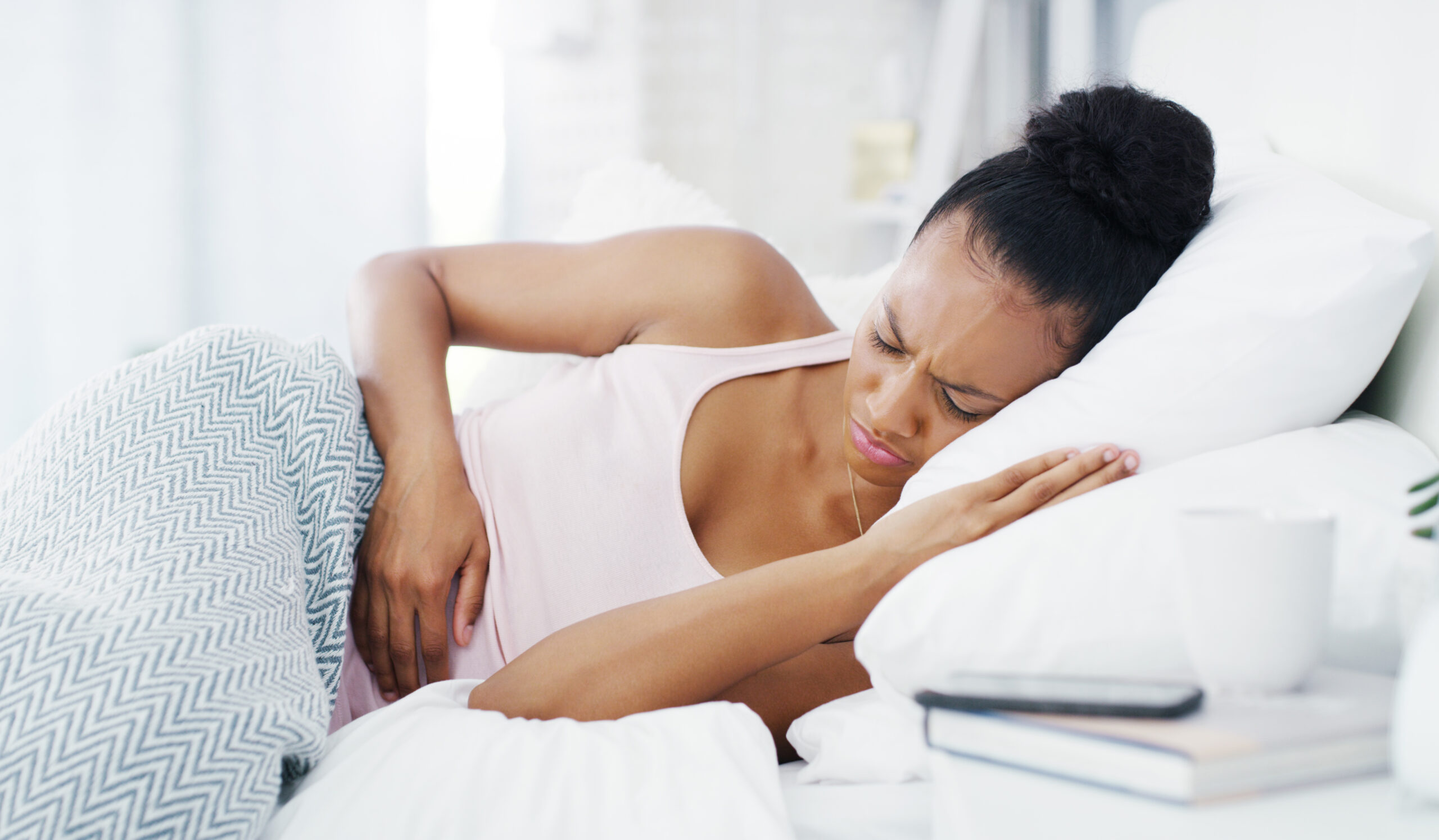
How much do you know about endometriosis? This common yet often misunderstood condition affects millions of women and girls—and it can significantly impact quality of life.
According to the Office on Women’s Health, endometriosis affects nearly 11% of American women between the ages of 15 and 44—that’s about 6.5 million women and girls in the U.S. alone.
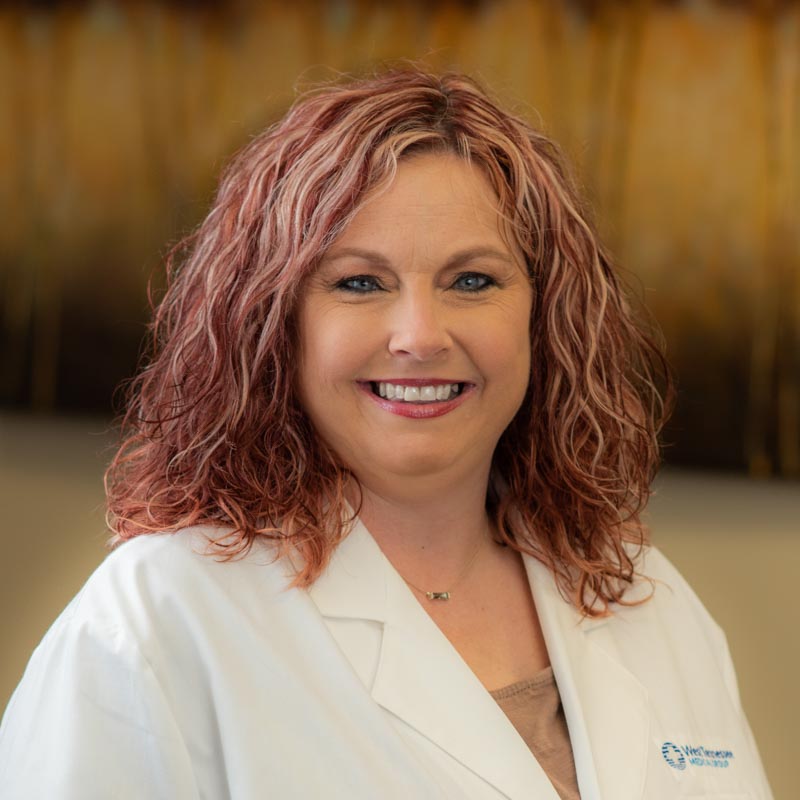
To help raise awareness, Beckie Johnson, CNM, a certified nurse midwife with West Tennessee Medical Group, shares insights about what endometriosis is, its symptoms, and how it’s treated.
What Is Endometriosis?
Endometriosis is a condition where tissue similar to the lining of the uterus (endometrium) grows outside the uterus.
Normally, endometrial tissue lines the inside of the uterus, thickens, and sheds during a woman’s menstrual cycle. But when it grows elsewhere—such as on the ovaries, fallopian tubes, pelvic lining, or tissues supporting the uterus—it has no way to exit the body.
This can lead to inflammation, severe pain, and the formation of scar tissue or adhesions, where organs stick together.
What Are the Symptoms of Endometriosis?
Endometriosis symptoms often mimic “normal” menstrual discomfort, leading many women to dismiss them. However, these symptoms can be far more severe and life-disrupting.
Common symptoms include:
Intense pelvic, abdominal, or lower back pain
Painful menstrual cramps that may worsen over time
Pain during intercourse or when using the restroom
Heavy or irregular periods
Bleeding between periods
Fatigue and low energy
Digestive issues such as diarrhea, constipation, nausea, or vomiting
Ovarian cysts
In some cases, endometriosis can lead to infertility. The American College of Obstetricians and Gynecologists reports that nearly 40% of women experiencing infertility also have endometriosis.
Who Is at Risk?
Endometriosis can affect anyone who menstruates, but certain factors increase risk:
Family history (mother, sister, or daughter with the condition)
Starting menstruation before age 11
Menstrual cycles shorter than 27 days
Heavy, prolonged periods lasting more than 7 days
Factors that may lower your risk:
Regular exercise (4+ hours per week)
Having been pregnant
Later onset of menstruation
Lower body fat percentage
How Is Endometriosis Diagnosed?
Diagnosis often begins with a pelvic exam, but additional imaging tests like ultrasound or MRI may be needed.
The only definitive diagnosis is through laparoscopy, a minimally invasive surgical procedure where a camera is inserted to view and possibly biopsy tissue growths.
Treatment Options
Treatment depends on symptom severity and whether you want to become pregnant. Common approaches include:
Hormonal birth control (pills, patches, or IUD) to regulate periods and reduce pain
Medications that suppress menstruation to slow endometrial growth
Fertility treatments for those struggling to conceive
Surgical options (removal of endometrial tissue or, in severe cases, hysterectomy) for significant pain or complications
When to See a Provider
If you experience severe period pain, heavy bleeding, or symptoms that disrupt daily life, it’s time to talk to your healthcare provider. Early diagnosis and treatment can help manage symptoms and improve your quality of life.
Think You Might Have Endometriosis?
Don’t ignore your pain. Schedule an appointment with your medical provider today to discuss symptoms and explore your options.
Updated: July 31, 2025


