

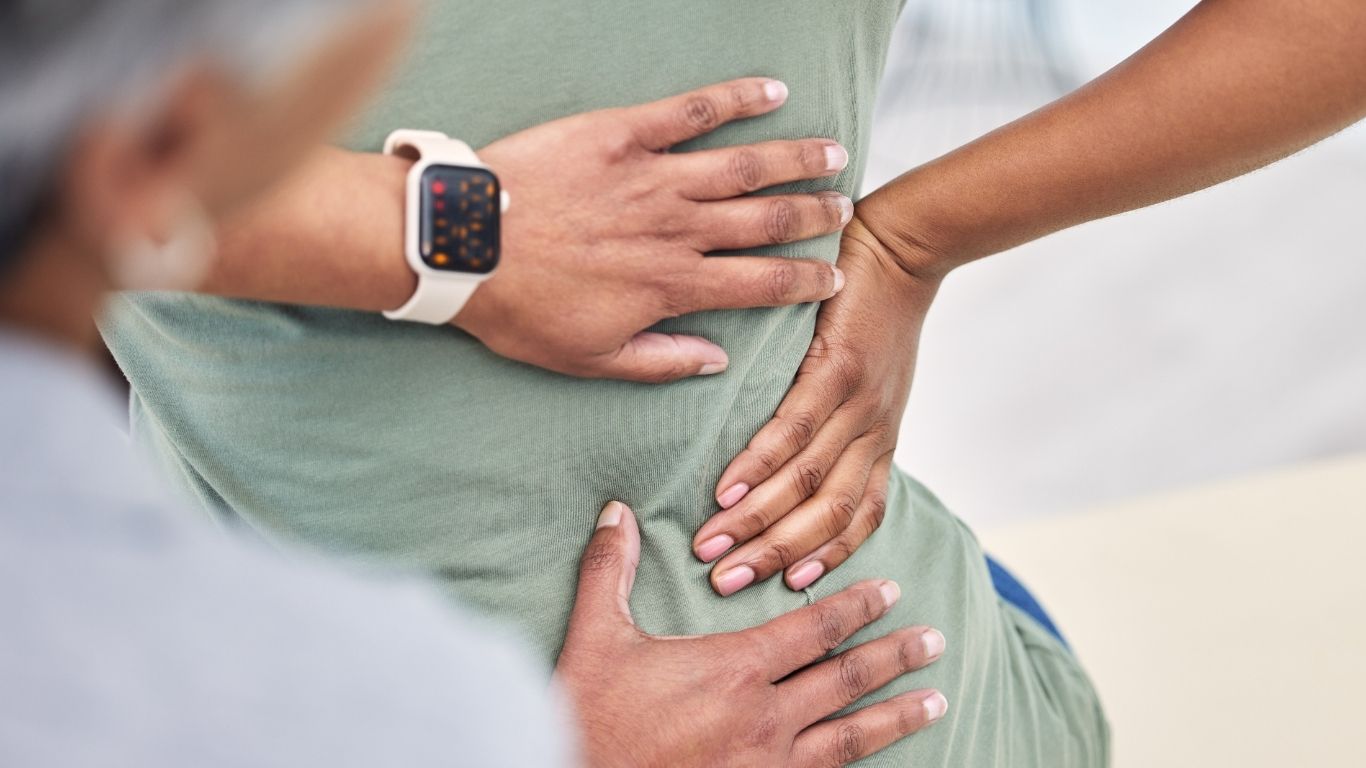
Spinal stenosis is a chronic condition that occurs when the spaces within your spine narrow, putting pressure on the spinal cord and nerves. This condition most often affects the lower back (lumbar spine) or neck (cervical spine) and is more common in people over age 50 due to natural changes in the spine.
So what exactly is spinal stenosis, and how is it treated?
What Is Spinal Stenosis?
Spinal stenosis refers to the narrowing of the spinal canal, the bony passage that houses the spinal cord and nerves. When this canal or the openings between the vertebrae become too tight, nerves can become compressed, causing pain or other symptoms.
It can occur anywhere in the spine, but the most common forms are:
Lumbar spinal stenosis: Narrowing in the lower back, which may affect the legs and feet.
Cervical spinal stenosis: Narrowing in the neck, which may affect the shoulders, arms, and hands.
Causes of Spinal Stenosis
The condition usually develops gradually as part of the aging process, but other factors can contribute. Common causes include:
Osteoarthritis (most common cause) due to joint degeneration after age 50
Degenerative disc disease or herniated discs
Bone spurs and ligament thickening
Spondylolisthesis, when one vertebra slips forward over another
Spinal injuries or trauma
Scoliosis or naturally narrow spinal canals
Tumors or cysts in or around the spine
Symptoms of Spinal Stenosis
Not everyone with spinal stenosis has symptoms. When symptoms do appear, they often start gradually and worsen over time.
Lumbar spinal stenosis (lower back) symptoms may include:
Pain, cramping, or numbness in the lower back, buttocks, or legs
Weakness in the legs or feet
Trouble walking long distances, often relieved by sitting or leaning forward
Cervical spinal stenosis (neck) symptoms may include:
Neck pain or stiffness
Numbness or tingling in the arms, hands, or fingers
Weakness in the arms or hands
Balance problems or, in severe cases, loss of bladder or bowel control
Diagnosis
Spinal stenosis is diagnosed using a combination of:
Medical history and physical exam – to assess symptoms, reflexes, and muscle strength
Imaging studies – including X-rays, MRI, or CT scans to identify narrowing and nerve compression
Treatment Options
“Treatment for spinal stenosis depends on symptom severity, with both non-surgical and surgical options available,” says Matt Ramsey, NP, neurosurgery nurse practitioner with West Tennessee Healthcare’s Neuroscience & Spine Center. “The goal is to relieve pain, improve function, and prevent progression of the condition.”

Non-Surgical Care
Physical therapy to improve flexibility, posture, and strength
Medications such as NSAIDs, pain relievers, or muscle relaxants
Epidural steroid injections to reduce inflammation
Assistive devices like walkers or braces
Complementary therapies such as heat/cold, massage, yoga, acupuncture, or chiropractic care
Surgical Options
Surgery is considered if symptoms worsen or conservative treatments are not effective. Procedures may include:
Laminectomy: Removing part of a vertebra to create more space
Laminoplasty: Widening the spinal canal (often used for cervical stenosis)
Foraminotomy: Enlarging nerve passageways to relieve compression
Spinal fusion: Stabilizing the spine by joining vertebrae together
Living With Spinal Stenosis
Managing spinal stenosis often requires lifestyle changes, such as:
Staying physically active with approved exercises
Maintaining a healthy weight
Practicing good posture
Following up regularly with a healthcare provider
Expert Spine Care in West Tennessee
Spinal stenosis can make daily life challenging, but with the right care, patients can manage symptoms and maintain quality of life. At West Tennessee Healthcare’s Neuroscience & Spine Center, our specialists provide personalized treatment plans to reduce pain, improve mobility, and help patients live well. Find a provider and schedule your appointment today.


