EMERGENCY Care in West Tennessee

Emergency Medicine

We understand that when a medical emergency arises, you seek expert care as fast as possible. West Tennessee Healthcare’s 8 ER locations are devoted to providing emergency health services to patients of all ages and providing immediate access to advanced diagnostic services and life-saving care 24/7.

24/7 Emergency Care Across West Tennessee

Immediate access to advanced diagnostic services and life-saving care 24/7. That's what you'll find at all of our 8 West Tennessee Healthcare ER locations. Our board-certified physicians provide fast, reliable emergency treatment for patients of all ages, including pediatric care.

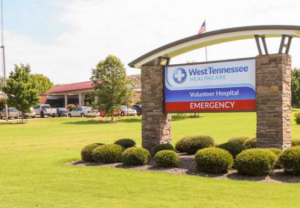
West Tennessee Healthcare Volunteer Hospital Emergency Room

West Tennessee Healthcare Volunteer Hospital Emergency Room

161 Mt Pelia Rd, Martin, TN 38237, USA
<br>Jackson-Madison County General Hospital </br>Emergency Department

<br>Jackson-Madison County General Hospital </br>Emergency Department

620 Skyline Dr, Jackson, TN 38301, USA
West Tennessee Healthcare Dyersburg Hospital Emergency Room

West Tennessee Healthcare Dyersburg Hospital Emergency Room

400 E Tickle St, Dyersburg, TN 38024, USA
West Tennessee Healthcare Henry County Hospital Emergency Room

West Tennessee Healthcare Henry County Hospital Emergency Room

301 Tyson Ave, Paris, TN 38242, USA
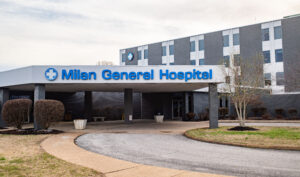
West Tennessee Healthcare Milan Hospital Emergency Room

West Tennessee Healthcare Milan Hospital Emergency Room

4039 Highland St, Milan, TN 38358, USA
West Tennessee Healthcare Camden Hospital Emergency Room

West Tennessee Healthcare Camden Hospital Emergency Room

175 Hospital Dr, Camden, TN 38320, USA
West Tennessee Healthcare Bolivar Hospital Emergency Room

West Tennessee Healthcare Bolivar Hospital Emergency Room

650 Nuckolls Rd, Bolivar, TN 38008, USA
West Tennessee Healthcare North Hospital Emergency Room

West Tennessee Healthcare North Hospital Emergency Room

367 Hospital Blvd, Jackson, TN 38305, USA

Frequently Asked Questions

Get answers to common questions about emergency care at West Tennessee Healthcare (WTH).

What’s an emergency?

When it comes to your health, an emergency is a situation that threatens your life, a limb, or your sight. Essentially, it’s any health issue that is either life-threatening or significantly life-altering.

When should you go to the emergency room?

It can be challenging to know when a health issue is an emergency. The American College of Emergency Physicians offers a list of red flag symptoms for which you should seek emergency medicine care:

  • Changes in mental status
  • Chest pain or pressure that lasts for two minutes or longer
  • Difficulty breathing or shortness of breath
  • Fainting or a loss of consciousness
  • Head or spine injury
  • Inability to speak
  • Severe abdominal pain or pressure
  • Sudden dizziness, weakness, or changes in vision
  • Sudden, severe, or unrelenting pain anywhere in the body
  • Swelling of the face, eyes, or tongue
  • Thoughts of death or suicide
  • Uncontrollable bleeding
When should you take kids to the emergency room?

Children should be taken to the emergency room for any of the symptoms listed above, but there are also some additional symptoms that can be a red flag in kids. Take your child to the emergency room for:

  • Bluish or grey coloration of the skin
  • Difficulty eating or feeding
  • Fever accompanied by a change in mental status or stiffness in the neck or back
  • Inability to stand or walk
  • Increased sleepiness
  • Lack of alertness or responsiveness
  • Seizure
Are accidents a good reason to go to the emergency room?

Yes, certain situations are also a red flag that emergency care is needed. Seek emergency attention if you:

  • Burn yourself
  • Choke
  • Cough or vomit up blood
  • Experience a near drowning
  • Get a deep or large wound
  • Have a motor vehicle accident
  • Inhale smoke
  • Swallow a poisonous substance
When is it better to seek urgent care?

Urgent care is a great option when you need medical care sooner than you can see your primary care provider, but not immediately. Urgent care providers can treat:

  • Cold or flu symptoms
  • Cuts
  • Earache
  • Headache
  • Mild fever
  • Minor broken bones
  • Nasal or chest congestion
  • Nausea or vomiting
  • Sore throat
  • Sprains or strains
  • Urinary tract infections
When is it best to see your primary care provider?

Your primary care provider (PCP) should be your go-to for any ongoing medical needs and preventive care. When it’s possible, it’s also best to see your PCP for minor health issues like those listed above. That’s because your PCP offers care that’s informed by your provider’s knowledge about your medical history and your overall health.

That’s why you’re instructed to follow up with your PCP if you receive emergency care or are seen in an urgent care setting. Your PCP can provide ongoing care related to whatever health concern you experienced.

How do costs compare for emergency care vs. urgent care vs. primary care?

That’s a great question. If you’re covered by insurance, the costs of care will depend on your plan’s specific parameters. In most cases, care is priced according to two factors: 1) the expediency of the care and 2) the complexity of care.

That means that emergency care is often quite pricey compared with other care settings. Your insurance copay or coinsurance is usually highest for emergency medicine services—and you’ll pay a higher cost out of pocket for emergency care, too.

Urgent care falls in the middle. Your costs under your insurance plan are probably below those for emergency care but above what it costs to see your primary care provider. The same is true if you’re paying out of pocket.

There’s also a cost in terms of time. While you should certainly seek emergency care if you’re experiencing life- or limb-threatening symptoms, you’ll often spend longer waiting for emergency care than you would at an urgent care facility because those with life-threatening symptoms are seen first. So, turn to an urgent care clinic or PCP for non-emergency symptoms.

Last updated May 2026.

What's New

Summer Heat Safety

Brush Up on Summer Safety & What to Do in an Emergency

School will start back before you know it, but there’s still time to squeeze in some summer fun. Pair it...

The Basics of Narcan

At least three Tennesseans die from an opioid-related overdose, every day. And even more are treated at emergency rooms for...

Fireworks Safety

When Is It an Emergency?

You aren’t feeling great, but your doctor’s office is closed for the day. Should you wait until tomorrow, or is...