
About
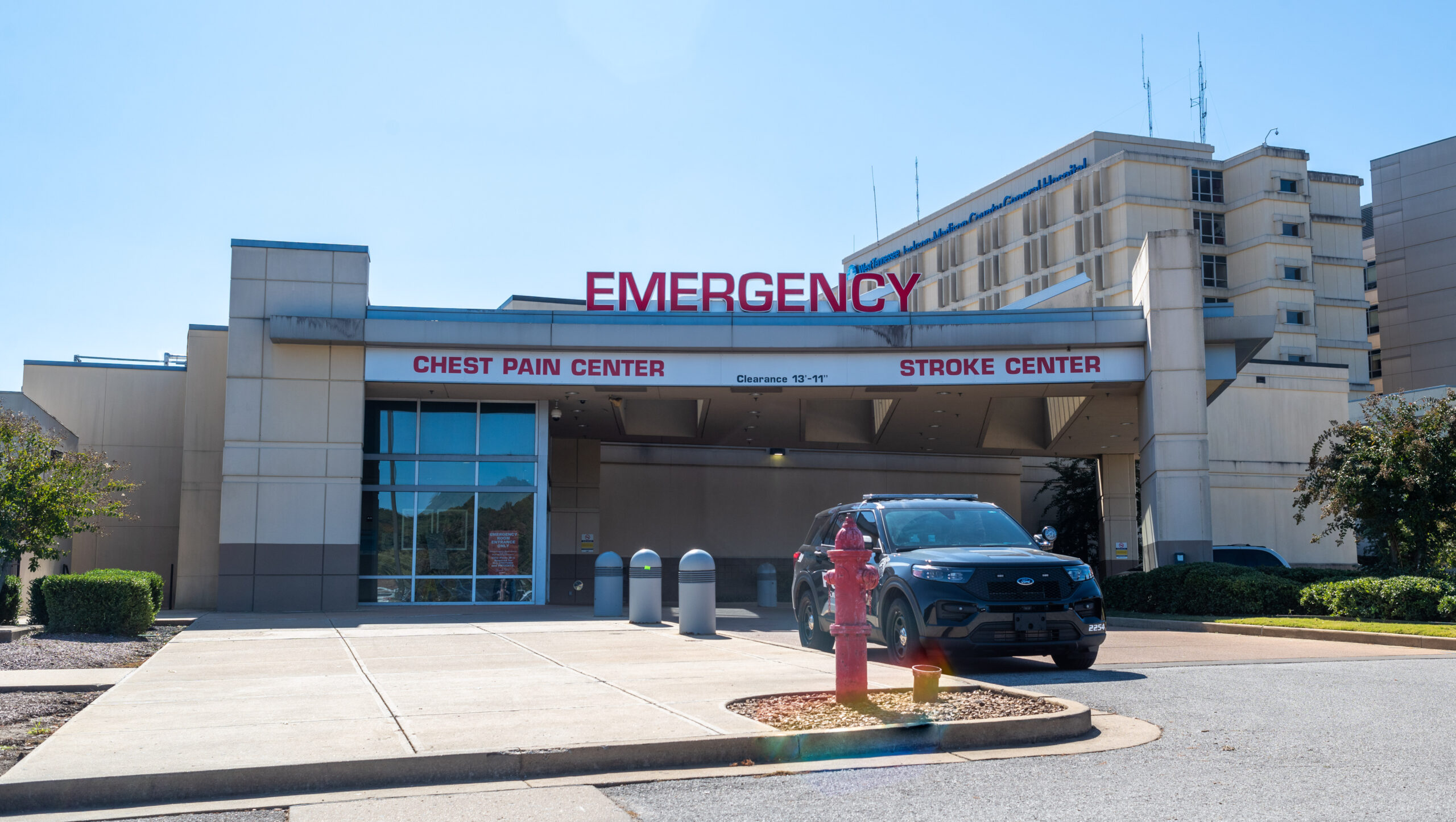
The Jackson-Madison County General Hospital Emergency Department provides 24/7 emergency stabilization and treatment for patients across Jackson, Madison County, and West Tennessee. From sudden illnesses and injuries to more serious medical emergencies, patients have access to timely emergency care close to home.
When advanced specialty treatment is needed, the hospital’s established transfer pathways help connect patients with higher levels of care across the health system—supporting continuity during critical situations.
Because all hospitals within the system share a secure electronic medical record platform, emergency physicians and care teams can quickly access current health information to help support more coordinated treatment decisions across locations.
Patients treated at Jackson-Madison County General Hospital also benefit from experienced emergency medicine physicians who provide care throughout the health system’s Emergency Departments, helping maintain consistent emergency care standards across community hospitals and regional facilities.
Services available at Jackson-Madison County General Hospital
24/7 staffed emergency department with physicians and advanced practice providers trained in emergency care for adults and children.
- Treatment of time-sensitive medical emergencies such as chest pain/possible heart attack, respiratory distress, sepsis, severe abdominal pain, and altered mental status.
- Treatment of common injuries and urgent problems, including fractures, lacerations, dehydration, acute infections, and exacerbations of chronic conditions (COPD, CHF, diabetes).
- Initial management of obstetric and pediatric emergencies with protocols for transfer to women’s and children’s centers in Jackson or other hubs as needed.
- Imaging, such as X-ray and CT, and ultrasound.
- Full-service laboratory for CBC, chemistries, cardiac enzymes, coagulation studies, and common infectious workups to support rapid emergency decision-making.
Specialties at Jackson-Madison County General Hospital
- Triage on arrival to rapidly sort life-threatening vs. less urgent conditions and prioritize treatment.
- Advanced cardiac life support and basic stroke care, including EKG, cardiac monitoring, IV medications, and rapid transfer protocols to higher-level cardiac or neuro centers, when needed.
- Trauma stabilization, including airway management, bleeding control, fracture stabilization, with EMS coordination to regional trauma centers for severe injuries.
- Access to telemedicine for Neurology and Cardiology to support local ER providers.


