


The American Cancer Society estimates that nearly 311,000 new cases of breast cancer will be diagnosed among women in the United States this year. 3D mammography helps detect breast cancer in its earliest stages, when it’s most treatable.
Breast cancer is a health concern that hits close to home. It’s the most common non-skin cancer among women.
Breast cancer is common, but very treatable, particularly when found in an early stage. When breast cancer is found locally, meaning it hasn’t spread, the five-year survival rate is 99%.
How do we uncover breast cancer in these early stages? Breast cancer screening, such as 3D mammography, plays an important role.
The Facts About Mammograms
The U.S. Preventive Services Task Force (USPSTF) guidelines, which outline what preventive services health insurers should cover, now recommends women at average risk of breast cancer begin having mammograms at age 40 and continue having them through age 74.
While their guidelines call for a screening mammogram every other year, your provider may recommend screening annually. Most insurance plans cover a yearly mammogram, but check with your plan to see what’s allowed.
If you’re at a higher risk due to factors such as a family history of the disease, your provider may recommend you begin having mammograms at an earlier age, having them more frequently, or having them along with other breast cancer screenings.
The Benefits of 3D Mammography
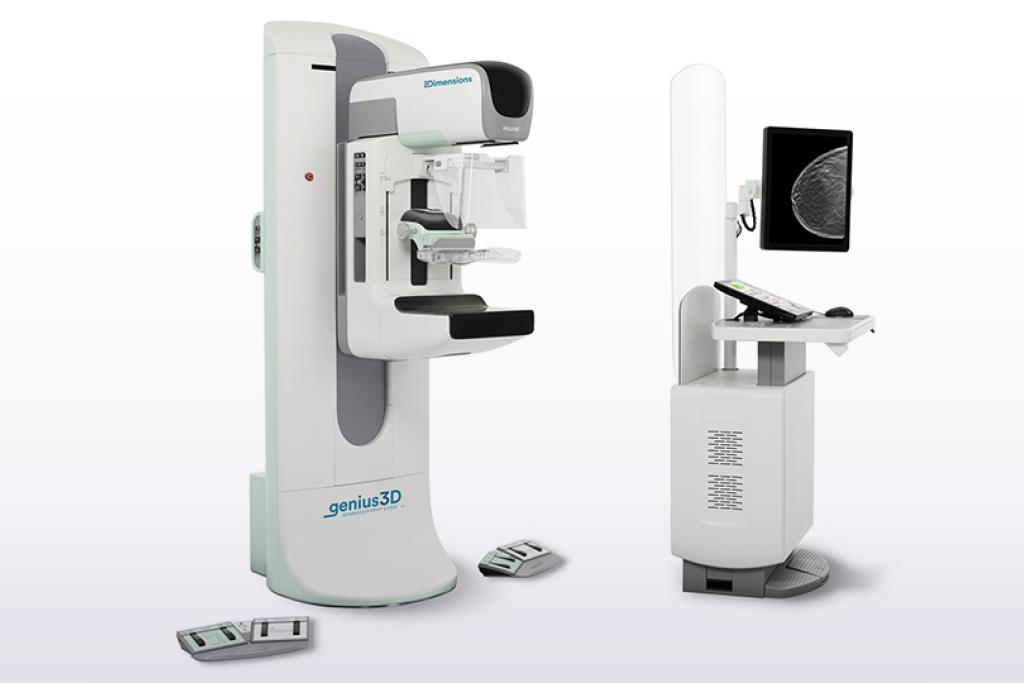
These days, many hospitals and imaging centers, including West Tennessee Healthcare, offer 3D mammography. What’s the difference between a 3D mammogram and the traditional 2D version?
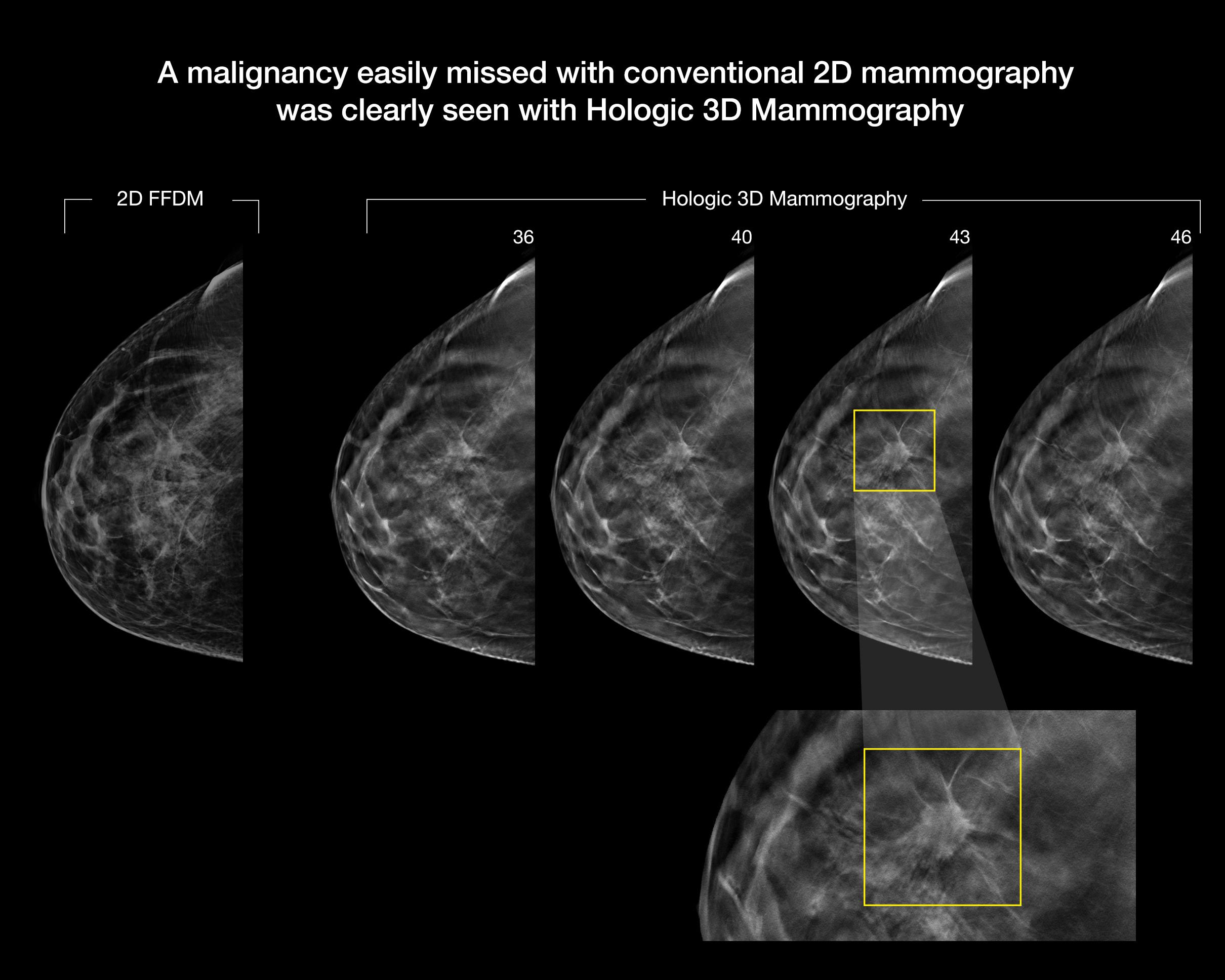
Mammograms are a specialized type of X-ray capturing digital images of the breast. Two-dimensional mammograms show flat images of the breasts length and width but not depth. 3D mammograms, on the other hand, piece together multiple images of the breasts creating a three-dimensional look at the breast tissue.
This technology, also known as breast tomosynthesis, provides radiologists with a more detailed look at the breast and any abnormalities. The images captured through 3D mammography are viewed by radiologists in “slices,” allowing them to focus on individual layers of the tissue.
What does that mean for you? Research shows 3D mammography improves breast cancer detection. Because multiple images are captured during the mammography session to create the 3D mammogram views, women experience fewer callbacks for additional testing when images are unclear or suspicious.
3D Mammography & Dense Breasts
While 3D mammograms are a part of any woman’s screening regimen, they are especially important for women with dense breasts. Up to half of all women in the United States have dense breasts, meaning their breasts contain more glandular tissue and fibrous connective tissue than fatty tissue.
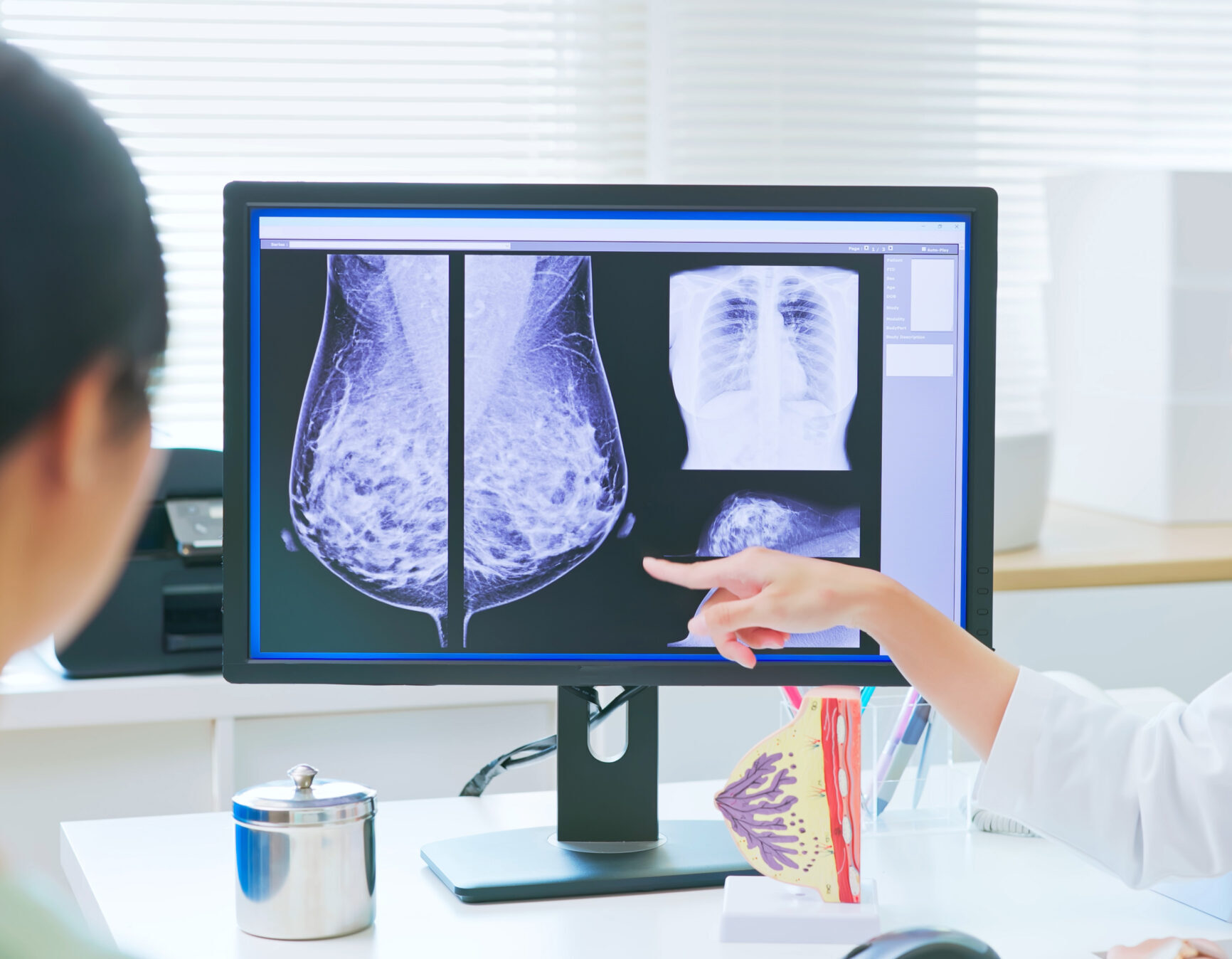
Having dense breasts is a risk factor for developing breast cancer—and can also make it more challenging to detect breast cancer during mammograms. That’s because dense breast tissue absorbs more radiation from the X-rays used to capture mammograms, causing the tissue to show as white on images.
Cancer also shows as white on mammograms, making it difficult to distinguish between normal breast tissue and breast cancer. Because of that, 3D mammograms are often recommended for women with dense breasts.
The enhanced views provided by 3D mammography help find abnormalities that may otherwise be hidden in dense breast tissue. On the flip side, it can also help rule out an abnormality by providing a clearer, more detailed view of dense breast tissue.
Check with your insurance provider to determine what’s covered under your plan or what your costs will be for this advanced type of mammogram.
Due for a mammogram? Don’t wait. Early detection is the best prevention. Find one of our Women’s Health locations here.


