We use cookies and other tracking technologies to improve performance, functionality, and user experience. By clicking "Accept All," you consent to our use of cookies and other tracking technologies. For more information, please refer to our Privacy Policy.
You can control the ways in which we improve and personalize your experience. Modify your selections below and click “Save”.
Home / Stroke Recovery: How to Prevent a Second Stroke
November 3, 2025
Stroke Recovery: How to Prevent a Second Stroke
When you think about stroke recovery, physical therapy is probably the first thing that comes to mind. But preventing another stroke is just as important.
Each year in the United States, nearly 800,000 people experience a stroke. Most of these are ischemic strokes, which happen when a blood clot blocks blood flow to the brain. Unfortunately, having one ischemic stroke greatly increases the chance of having another.
According to the American Stroke Association, one in four ischemic stroke survivors will have another stroke. That is why prevention is such a critical part of recovery.
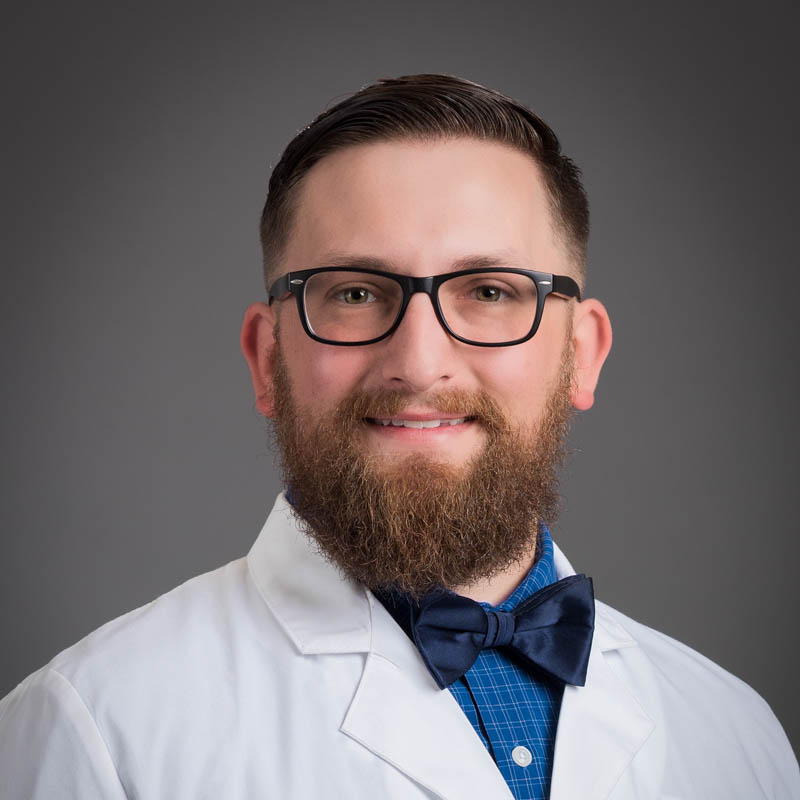
“After an ischemic stroke, we focused on three goals: Developing strategies to prevent additional strokes, helping patients to manage symptoms, and focusing on therapy efforts to optimize recovery,” explains Cameron Michael, DO, neurologist with West Tennessee Medical Group Neuroscience & Spine.
Dr. Cameron Michael West Tennessee Medical Group’s West Tennessee Neuroscience
Several factors make a second stroke more likely after an ischemic stroke:
Blood vessel damage: A blood clot can injure or weaken blood vessels, even after it dissolves or is removed. It’s also significant to understand conditions that increase your risk for a future stroke. One of these is a transient ischemic attack (TIA.)
After an ischemic stroke, we focused on three goals: Developing strategies to prevent additional strokes, helping patients to manage symptoms, and focusing on therapy efforts to optimize recovery.
Issues with the large blood vessels leading to the brain (carotid arteries) may also be a cause of stroke.
Cardiac issues can also increase the risk of strokes, and the most common culprit is atrial fibrillation.
Understanding Stroke Risk Factors
After a stroke, it’s important to talk with your care team about what may have contributed to it. Many stroke risk factors are modifiable, meaning you can change or manage them with lifestyle adjustments, medications, or ongoing medical care.
Common modifiable risk factors include:
Atrial fibrillation or other heart conditions
Diabetes
High blood pressure
High cholesterol
Obesity
Physical inactivity
Smoking
Excessive alcohol use
It’s also essential to be aware of warning signs that increase your risk. A transient ischemic attack (TIA), a brief, stroke-like event that resolves completely, is not a stroke by definition, but it is a serious risk factor for a future stroke and should prompt immediate medical evaluation.
Non-modifiable factors such as family history, age, and gender also play a role. However, because many risk factors can be managed or improved, most strokes are considered largely preventable with the right care and lifestyle changes.
Taking prescribed medications: These may include antiplatelets or anticoagulants to prevent new clots. Blood pressure, cholesterol, or diabetes medications may also be needed.
Managing chronic conditions: Regular checkups and treatment plans help control heart disease, diabetes, and other risks.
Making lifestyle changes: Increasing physical activity, eating a heart-healthy diet, maintaining a healthy weight, and limiting alcohol can all lower risk.
Quitting smoking: Smoking damages blood vessels and dramatically increases stroke risk. A provider can recommend effective cessation programs.
Lifestyle Tips for Stroke Prevention
A healthy lifestyle can support recovery and reduce future risk:
Eat a Mediterranean diet: Focus on fruits, vegetables, whole grains, lean proteins, and healthy fats. Limit processed foods, sugar, sodium, and saturated fat.
Stay active: Even small amounts of safe movement can make a difference. If mobility is limited, ask your physical or occupational therapist for exercises tailored to your abilities.
Manage stress: Relaxation techniques, support groups, or hobbies can help lower blood pressure and improve overall health.
Know the Signs of Stroke
Even with the best prevention plan, a second stroke can still occur. Recognizing the signs quickly is essential.
“We all have a risk of developing strokes,” says Dr. Michael. “The most effective way in preventing these events is optimizing vascular risk factors (diabetes, cholesterol, high blood pressure) and making lifestyle changes (smoking cessation, exercise, and diet changes). While you can reduce your risk of strokes, prevention is not foolproof.”
Stroke Care Close to Home
The team at West Tennessee Neuroscience & Spine Center has years of experience in both preventing and treating stroke. As an Advanced Primary Stroke Center, we provide the advanced care you need when minutes matter most.
If you or a loved one has experienced a stroke, talk to your provider about creating a personalized prevention plan today.