

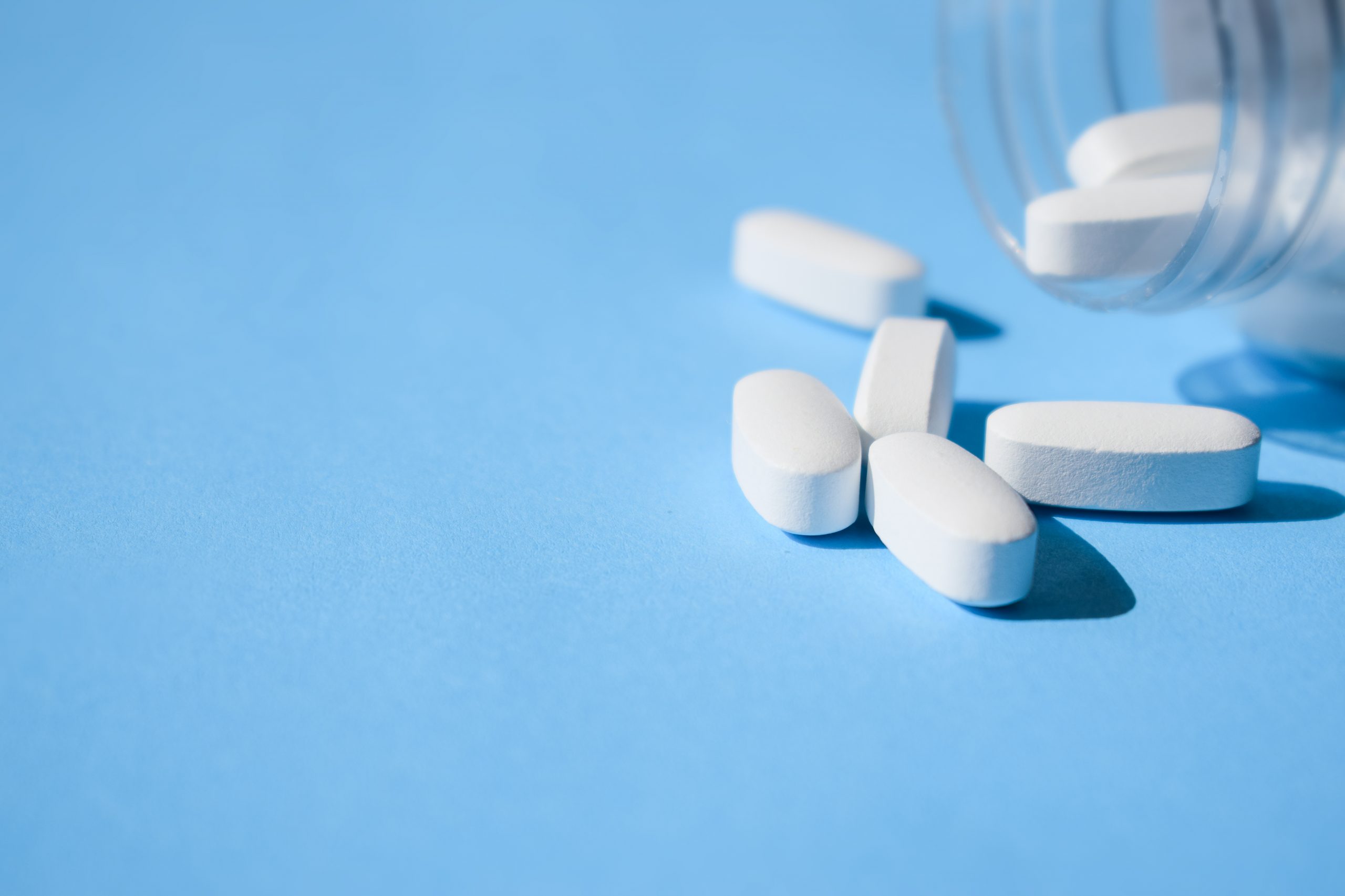
Opioid overdose does not happen to only one kind of person or one kind of family. It can involve a prescription medication, an illegally made opioid such as fentanyl, or more than one substance. Knowing what to look for can help you start a conversation sooner and act quickly in an emergency.
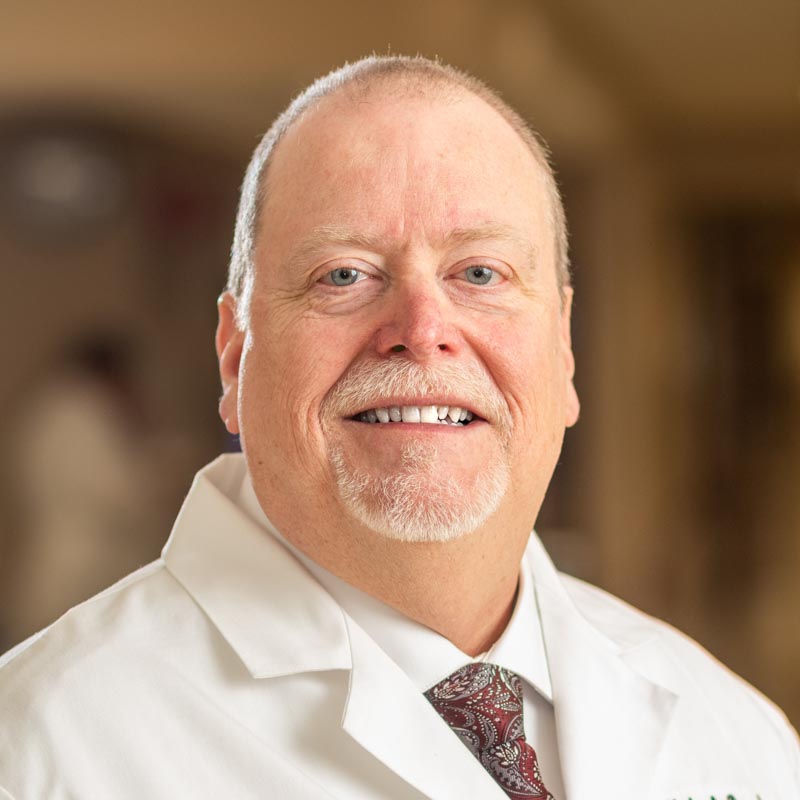
Michael Bryant, MD, a family medicine physician with West Tennessee Medical Group Primary Care | Martin, was featured in the original version of this article. The message remains important today: opioid-related problems can affect anyone, and early help matters.
The numbers are moving in a hopeful direction, but the need is still urgent. Provisional CDC data estimate nearly 70,000 drug overdose deaths in the United States in 2025, including more than 44,000 deaths involving opioids. Every number represents a person, a family and a community.
If you suspect an opioid overdose Call 911 immediately. Give naloxone if it is available, place the person on their side and stay with them until help arrives.
What are opioids?
Opioids are medications and substances that act on opioid receptors in the brain and body. Prescription opioids such as oxycodone, hydrocodone and morphine may be used to treat certain types of moderate to severe pain. Heroin and illegally made fentanyl are also opioids.
Prescription opioids can be helpful when they are used exactly as directed, but they also carry serious risks. Anyone who takes opioids can develop tolerance, physical dependence or opioid use disorder.
Misuse, opioid use disorder and overdose are not the same
Opioid misuse means taking an opioid in a way other than prescribed, taking someone else’s medication or using an illegal opioid.
Opioid use disorder, or OUD, is a chronic, treatable medical condition. It involves a pattern of opioid use that causes significant problems or distress.
An opioid overdose is a life-threatening emergency. Breathing can become dangerously slow or stop completely.
Signs someone may be struggling with opioid use
One change by itself does not prove that someone has opioid use disorder. Look for patterns, changes from the person’s usual behavior and problems that continue or become more serious over time.
- Taking more medication than prescribed or taking it more often
- Trying to cut back but being unable to do so
- Strong cravings or spending a great deal of time obtaining, using or recovering from opioids
- Missing work, school or family responsibilities
- Withdrawing from relationships, activities or routines that once mattered
- Continuing opioid use even when it is causing health, financial or relationship problems
- Noticeable changes in sleep, mood, energy, coordination or personal care
- Seeking early refills, reporting lost prescriptions or visiting multiple sources for medication
These changes can also be linked to other health concerns. A healthcare professional can listen, ask the right questions and help determine what support is needed.
Know the signs of an opioid overdose
An overdose can be difficult to recognize. If you are not sure, treat the situation like an overdose. Acting quickly could save a life.
- The person is unconscious or cannot be awakened
- Breathing is slow, shallow, irregular or has stopped
- You hear choking, gurgling or unusual snoring sounds from someone who cannot be awakened
- The lips, fingernails or skin look blue, gray or unusually pale
- The pupils are very small or pinpoint and do not react to light
- The body is limp, or the skin feels cold and clammy
What to do if you suspect an overdose
- Call 911 immediately. Tell the dispatcher that the person is not responding or is not breathing normally.
- Give naloxone if it is available. Follow the instructions on the product. A second dose may be needed if the person does not respond within two to three minutes.
- Support breathing. Try to keep the person awake and breathing. Begin CPR if breathing has stopped and you are trained to do so.
- Place the person on their side. This can help reduce the risk of choking.
- Stay until help arrives. Do not leave the person alone, even if they wake up after receiving naloxone.
Naloxone can save a life
Naloxone is a medication that can rapidly reverse an opioid overdose. It will not harm someone if opioids are not the cause of the emergency. Several naloxone nasal spray products are available over the counter, which means they can be purchased without a prescription.
If you or someone in your household takes prescription opioids, has opioid use disorder or may be at risk of an opioid overdose, ask a healthcare provider or pharmacist about keeping naloxone nearby. Make sure family members and caregivers know where it is and how to use it.
How to start a conversation without judgment
Shame can make it harder for someone to ask for help. Choose a calm moment, speak about what you have noticed and listen without lecturing. You might begin with:
“I have noticed that you have not seemed like yourself lately, and I am worried about you. I care about you, and I want to help you find support.”
Avoid labels, threats or arguments about whether the person has a problem. Focus on safety and the next step. Recovery is possible, and effective treatment is available.
If you are prescribed an opioid
- Take it only as prescribed. Never take a larger dose or take it more often than directed.
- Ask about non-opioid options for pain when appropriate.
- Do not mix opioids with alcohol, benzodiazepines, sleep medicines or other sedating substances unless your healthcare provider has specifically told you it is safe.
- Never share prescription medication.
- Store opioids securely and out of reach of children, visitors and others in the home.
- Use a drug take-back location or pharmacy mail-back program for medication you no longer need. Follow FDA instructions if a take-back option is not available.
Where to find help in West Tennessee
You do not have to wait for a crisis to ask for help. A primary care provider can start the conversation, review medications and connect you with treatment. Pathways Behavioral Health Services provides mental health and substance use services across West Tennessee, including outpatient counseling, detoxification, crisis services and medication-assisted recovery.
Pathways Behavioral Health Services: 800-587-3854 | Learn about Pathways
West Tennessee Healthcare Primary Care: Find a primary care location
SAMHSA National Helpline: Call 1-800-662-HELP (4357) for treatment information and referrals, or visit FindTreatment.gov.
If someone is in immediate danger: Call 911. If someone is struggling or in crisis, call or text 988.
The most important takeaway Know the signs, keep naloxone available when appropriate and call 911 immediately if you suspect an overdose. Compassion and quick action can save a life.
Want to hear more? Check out our podcast, We Talk Health. Donald Jordan and Mara Johnson are on talking about what services Pathways can offer, and how those services have been affected by Covid-19. Pathways has seen an increase in people seeking help for substance use disorder for alcohol and opioids, as well as for mental health issues. Pathways is still offering all services, though most are being offered via TeleHealth due to Covid-19.


