

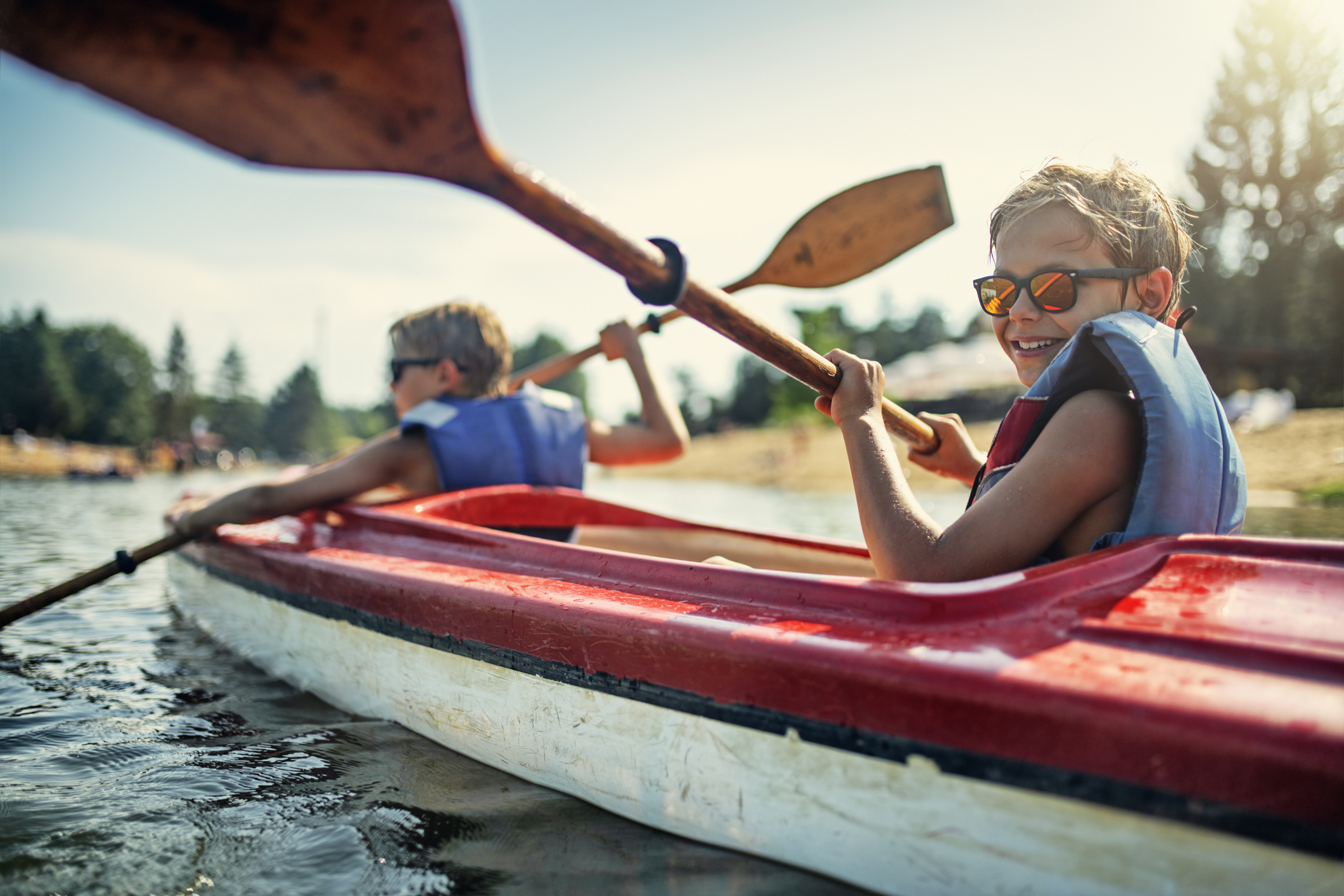
Summer in West Tennessee often means more time outside, more time in the heat and more time near the water. Whether your family is headed to the pool, the lake, the river or a weekend boat ride, water safety should always come first.
Drowning can happen quickly and quietly. It is also one of the most preventable injuries. According to the CDC, more than 4,000 people die from unintentional drowning each year in the United States. Drowning is also the leading cause of death for children ages 1 to 4 and the second leading cause of unintentional injury death for children ages 5 to 14.

The good news is that a few simple habits can make a big difference. Teresa Stewart, FNP, with West Tennessee Medical Group, encourages families to think about water safety before they ever get in the water.
Start With Supervision
The most important rule around water is simple: always watch children closely.
Children should never be left alone near a pool, bathtub, lake, river, pond or any other body of water. Even strong swimmers need supervision. Drowning does not always look like splashing or yelling. In many cases, it can happen silently.
Choose one adult to be the “water watcher.” This person should stay focused on the water, avoid distractions and keep a phone nearby only for emergencies. Avoid scrolling, texting, reading or stepping away while children are swimming.
For young children or inexperienced swimmers, use “touch supervision.” That means an adult should stay within arm’s reach at all times.
Make Pools Safer at Home
If you have a pool at home, safety barriers are important. The American Academy of Pediatrics recommends multiple layers of protection, including four-sided pool fencing with a self-closing, self-latching gate.
A pool fence should:
- Be at least 4 feet tall
- Fully separate the pool from the house and yard
- Have no gaps children can climb over, crawl under or squeeze through
- Include a gate that closes and latches on its own
- Keep the latch out of a child’s reach
You can also add extra safety steps, such as door locks, gate alarms and pool alarms. These tools do not replace supervision, but they can add another layer of protection.
Keep rescue equipment and a phone close to the pool. Remove toys from the water when swimming is over so children are not tempted to reach or climb in.
Teach Children Water Safety Early
Swimming lessons can help lower the risk of drowning, but they do not make a child “drown-proof.” Children still need close supervision every time they are near water.
The American Academy of Pediatrics recommends that children learn to swim, with lessons beginning after a child’s first birthday when appropriate for their development and comfort level.
Children should also learn basic water safety rules, including:
- Never swim alone
- Never run near a pool
- Never push or jump on others in the water
- Stay away from drains
- Ask permission before getting in the water
- Wear a life jacket when needed
- Get out of the water during storms or lightning
Adults should also consider learning CPR. In an emergency, knowing what to do before help arrives can save a life.
Be Careful Around Lakes, Rivers and Open Water
Open water can be very different from a swimming pool. Lakes, rivers and ponds may have uneven bottoms, sudden drop-offs, currents, hidden debris, slippery rocks and changing water levels.
Before swimming in open water:
- Choose areas where swimming is allowed
- Look for posted warning signs
- Swim near a lifeguard when possible
- Check the weather before you go
- Watch for currents, drop-offs and underwater hazards
- Avoid diving into water when you cannot see the bottom
- Use a properly fitted life jacket, especially for children and weaker swimmers
Even confident swimmers can become tired or overwhelmed in open water. When in doubt, choose safety first.
Wear Life Jackets When Boating
Boating safety is just as important as swimming safety. Everyone on a boat should have a properly fitted, U.S. Coast Guard-approved life jacket. Children and anyone who is not a strong swimmer should wear one at all times.
Before heading out on the water:
- Check the weather
- Inspect your boat
- Make sure you have enough life jackets for every person
- Tell someone your plans, route and expected return time
- Keep emergency supplies on board
- Follow posted rules and speed limits
- Stay alert and avoid distractions
Alcohol and boating do not mix. Do not drink before or while operating a boat. Staying focused can help prevent serious accidents and injuries.
Keep Safety Simple
Water activities should be fun, relaxing and memorable. A little preparation can help protect the people you love.
Before your next swim day or boat ride, remember these water safety basics:
- Watch children closely
- Use proper pool barriers
- Teach kids how to swim and respect the water
- Wear life jackets when needed
- Avoid alcohol while boating
- Check the weather before heading out
- Learn CPR
- Have a plan in case of emergency
“Whether you are swimming, boating or spending time near the water, safety should always be part of the plan,” Stewart says. “Most water-related accidents can be prevented when people stay alert, prepared and focused.”
If you or someone near you has a medical emergency, call 911 right away. West Tennessee Healthcare is here with emergency care when you need it most.
Updated: June 30, 2026


