

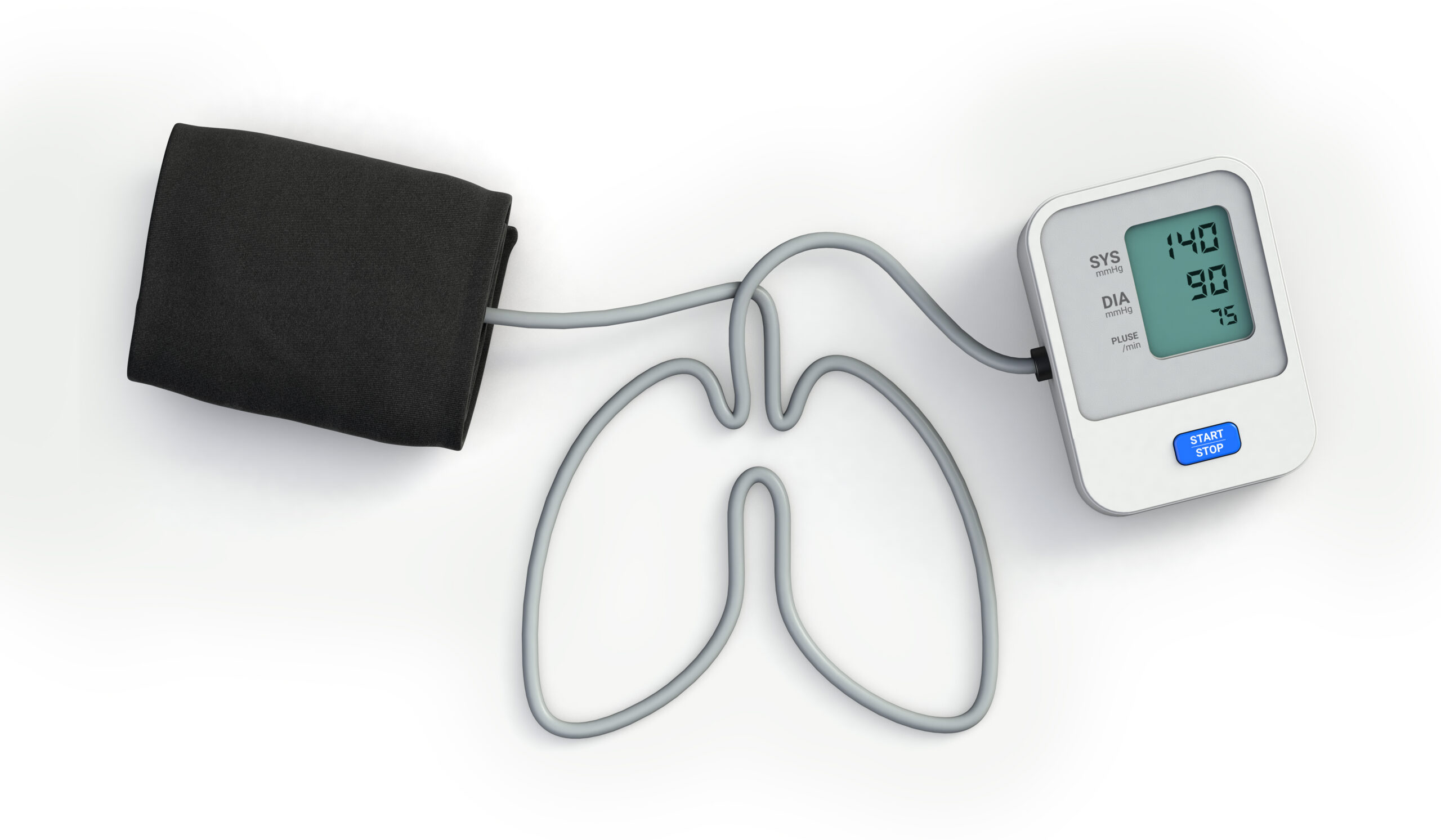
You are probably familiar with high blood pressure, also called hypertension. But have you ever heard of pulmonary hypertension?
Although the names sound similar, these conditions affect different parts of the circulatory system. Traditional high blood pressure affects arteries throughout the body. Pulmonary hypertension, often shortened to PH, occurs when pressure is too high in the blood vessels that carry blood from the heart to the lungs.
Nearly half of adults in the United States have high blood pressure, while pulmonary hypertension affects about 1 percent of people worldwide.
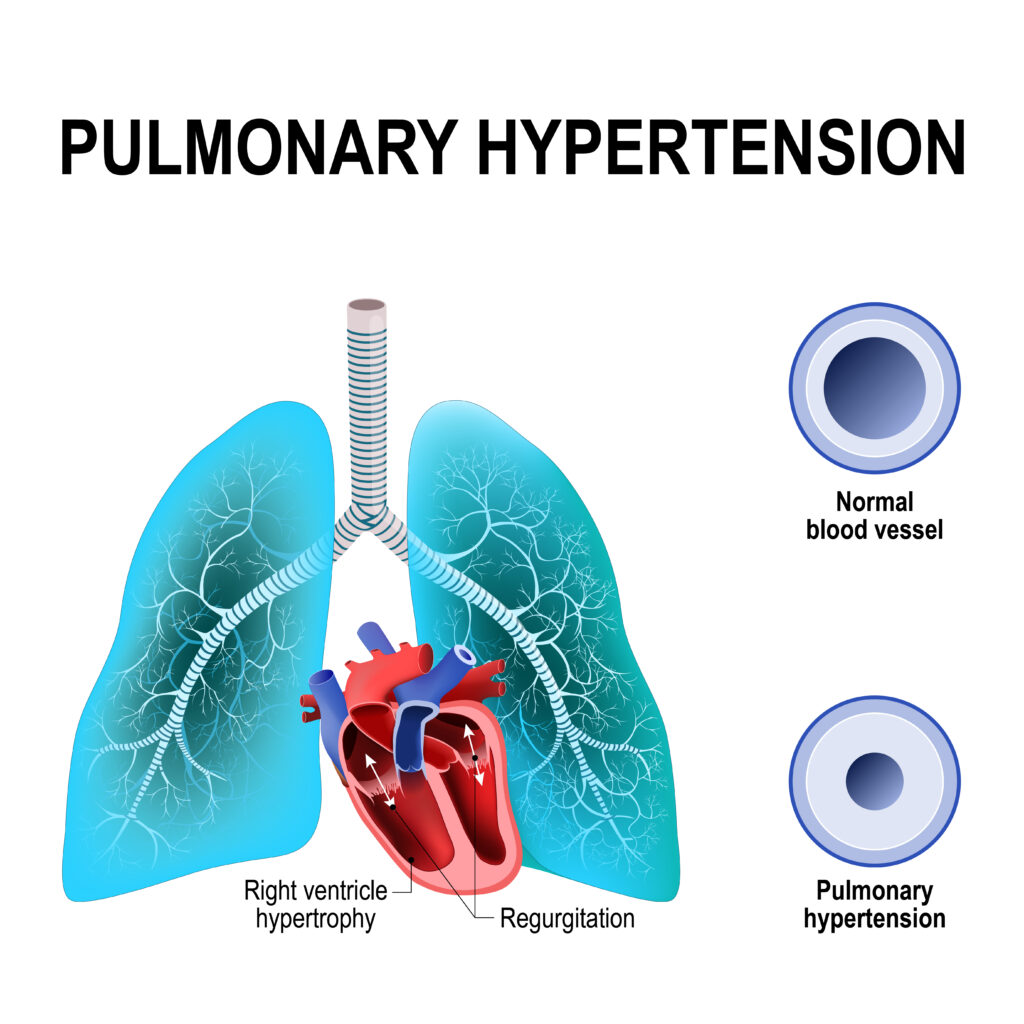
Pulmonary hypertension may be less common, but it can have serious health consequences. When pressure increases in the pulmonary arteries, the right side of the heart must work harder to move blood into the lungs. Over time, that added strain can weaken the heart and lead to heart failure.
Pulmonary hypertension can also contribute to abnormal heart rhythms, blood clots, anemia, liver damage and other complications. Pregnancy can carry significant risks for someone with pulmonary hypertension, making careful medical guidance especially important.
“Pulmonary hypertension can be difficult to recognize because symptoms such as shortness of breath, fatigue and dizziness can occur with many other conditions. The important thing is not to dismiss a persistent or worsening change in your breathing or ability to be active. An evaluation can help us determine what is causing those symptoms and identify the most appropriate next steps.” – Omotooke Babalola, MD
What Causes Pulmonary Hypertension?
Pulmonary hypertension is not a single disease. It is a group of conditions that can develop for different reasons. Healthcare professionals divide PH into five categories based on its underlying cause.
Group 1: Pulmonary Arterial Hypertension
Pulmonary arterial hypertension, or PAH, occurs when the small arteries in the lungs become narrowed, thickened or stiff. These changes make it harder for blood to flow through the lungs, increasing pressure in the pulmonary arteries.
PAH may be inherited, associated with another medical condition or caused by certain medications or toxins. In some cases, no cause can be identified.
PAH is progressive, meaning it can worsen over time. Although there is not currently a cure, treatment may help manage symptoms, improve quality of life and slow the disease’s progression.
Group 2: Pulmonary Hypertension Caused by Left-Sided Heart Disease
This is the most common type of pulmonary hypertension in the United States. It can develop when the left side of the heart cannot pump or relax normally or when heart valve disease affects blood flow. Pressure can then back up from the heart into the lungs.
Group 3: Pulmonary Hypertension Caused by Lung Disease or Low Oxygen
Chronic lung conditions and prolonged low oxygen levels can cause blood vessels in the lungs to narrow. Conditions associated with this type may include chronic obstructive pulmonary disease, interstitial lung disease and sleep-related breathing disorders.
Group 4: Pulmonary Hypertension Caused by Pulmonary Artery Blockages
Blood clots and scar tissue can block or narrow arteries in the lungs. One form, called chronic thromboembolic pulmonary hypertension, may develop after blood clots in the lungs do not completely dissolve.
Group 5: Pulmonary Hypertension With Multiple or Unclear Causes
This category includes pulmonary hypertension associated with certain blood, inflammatory, metabolic and systemic disorders. In some cases, several factors may contribute to the increased pressure.
What Are the Symptoms of Pulmonary Hypertension?
Symptoms may be mild or difficult to recognize during the early stages. They can become more noticeable as the condition progresses.
Common pulmonary hypertension symptoms include:
- Shortness of breath, especially during activity
- Fatigue or unusual weakness
- Chest pain or pressure
- Dizziness or lightheadedness
- Fainting
- A racing or pounding heartbeat
- Swelling in the ankles, legs or abdomen
- Coughing or wheezing
- Decreased ability to exercise or complete normal activities
These symptoms can also occur with asthma, heart disease, anemia and other medical conditions. Having one or more symptoms does not necessarily mean you have pulmonary hypertension. However, persistent, unexplained or worsening symptoms should be evaluated by a healthcare professional.
Seek emergency care for sudden or severe shortness of breath, chest pain, fainting or symptoms that are rapidly worsening.
How Is Pulmonary Hypertension Diagnosed?
Diagnosing pulmonary hypertension may take time because its symptoms often resemble those of other heart and lung conditions. Your primary care provider may refer you to a pulmonologist, cardiologist or another specialist based on your symptoms and medical history.
An echocardiogram is often used to evaluate how the heart is working and estimate whether pressure in the pulmonary arteries may be elevated. However, an echocardiogram alone does not confirm pulmonary hypertension.
A right heart catheterization is used to directly measure pressure in the pulmonary arteries and confirm the diagnosis. Current clinical guidelines define pulmonary hypertension as a mean pulmonary artery pressure greater than 20 mmHg at rest, measured during right heart catheterization.
Additional testing may be needed to identify the type and cause of pulmonary hypertension. Testing may include:
- Blood tests
- Electrocardiogram, also called an ECG or EKG
- Chest X-ray
- CT scan or other lung imaging
- Cardiac MRI
- Pulmonary function testing
- Exercise or walking tests
- Sleep testing
- Lung ventilation and perfusion scanning to look for blood clots
Identifying the underlying cause is essential because treatment differs significantly among the five groups.
How Is Pulmonary Hypertension Treated?
Treatment for pulmonary hypertension depends on the type, cause and severity of the condition. A treatment plan may focus on managing an underlying heart or lung condition, lowering pressure in the pulmonary arteries, improving oxygen levels or reducing strain on the heart.
Treatment may include:
- Medications that relax pulmonary blood vessels
- Diuretics to reduce excess fluid and swelling
- Blood thinners for certain patients with blood clots or an increased clotting risk
- Oxygen therapy when oxygen levels are low
- Treatment for an underlying heart, lung, blood or sleep-related condition
- Pulmonary rehabilitation or medically supervised physical activity
- Procedures or surgery to remove or bypass chronic blood clots
- Lung or heart-lung transplantation in certain advanced cases
Medications designed specifically for pulmonary arterial hypertension are not appropriate for every type of pulmonary hypertension. Treatment should be selected by a healthcare professional after the cause has been carefully evaluated.
Patients may also receive individualized recommendations related to sodium intake, physical activity, smoking cessation, vaccinations, travel, pregnancy and medication use. Always talk with your healthcare professional before beginning a new exercise program or taking an over-the-counter medication or supplement.
Do Not Ignore Changes in Your Breathing
Shortness of breath is easy to explain away, especially when it develops gradually. You may blame aging, stress, weight, asthma or being out of shape. But when breathing changes persist, worsen or begin limiting your normal activities, it is important to find out why. Early evaluation can help identify pulmonary hypertension or another condition that requires care.
To learn more or ask about an appointment with Dr. Babalola, contact West Tennessee Medical Group Pulmonology | Jackson at 731-422-7900. The clinic is located at 587 Skyline Drive in Jackson, Tennessee.
This article was originally published on January 27, 2025


