

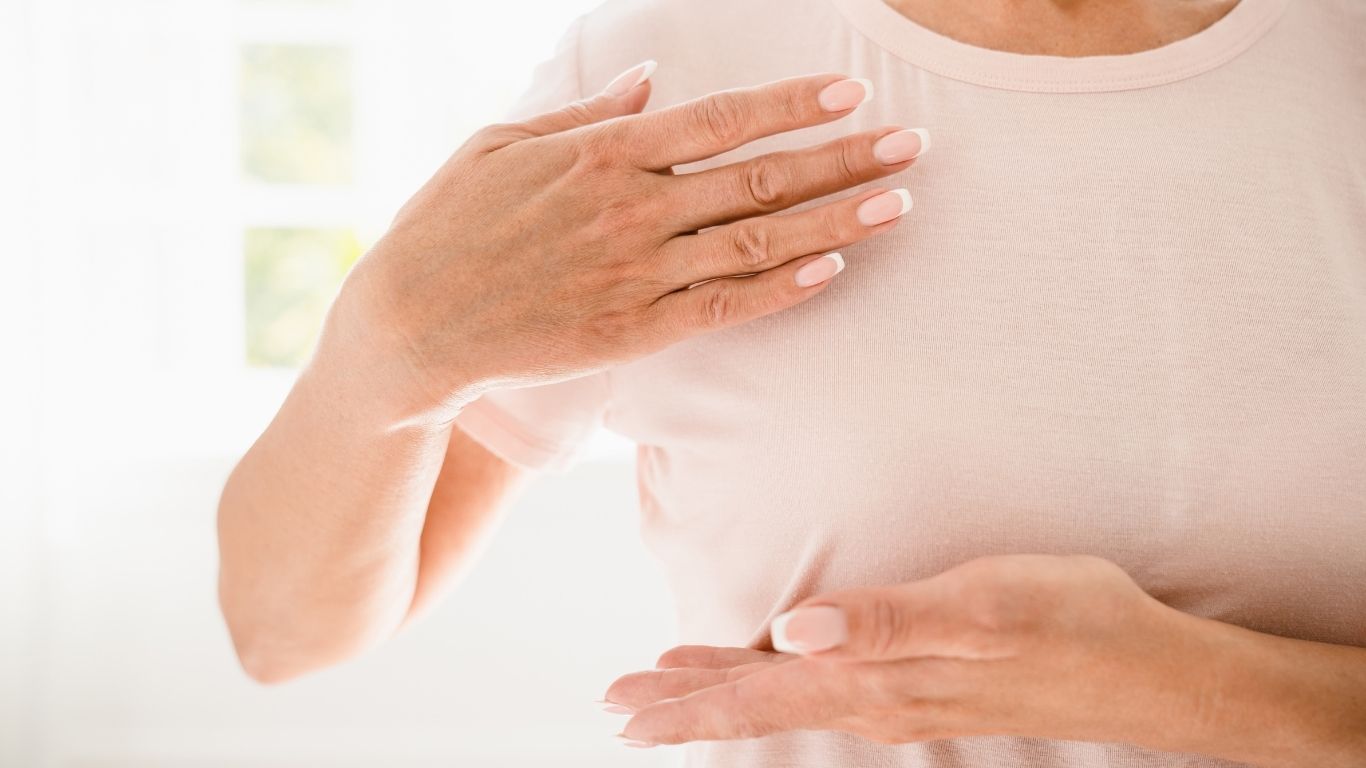
Up to 70% of people will experience breast pain, also known as mastalgia, at some point in their lives. Because the symptom is often linked with breast cancer in the public mind, it can cause anxiety and worry. However, most breast pain is not cancer-related. By learning about the types, causes, and significance of breast pain, you can better understand when it is simply uncomfortable and when it might require medical attention.
Types of Breast Pain
There are two main categories of breast pain: cyclical and non-cyclical.
Cyclical breast pain is tied to hormonal changes during the menstrual cycle. It usually appears before a period, affects both breasts, and may radiate to the underarm.
Non-cyclical breast pain is not related to menstruation. It may affect only one breast or a localized area. Causes range from injury, infection, taking in too much caffeine, to other health conditions.
Common Causes of Breast Pain
“Most cases of breast pain are not associated with breast cancer,” said Cindy Jones, NP, with West Tennessee Medical Group Primary Care | Henderson. “Benign or non-cancerous causes are far more common.”

Some common causes include:
Hormonal changes during puberty, menstruation, pregnancy, breastfeeding, or menopause
Fibrocystic breast changes, a benign condition that causes lumpy or rope-like tissue
Cysts or fibroadenomas, which are non-cancerous growths that can feel painful or tender
Injury or trauma to the breast from accidents or vigorous activity
Costochondritis, inflammation of the cartilage between the ribs and breastbone
Mastitis, an infection often linked to breastfeeding
Large breasts or poorly fitting bras, which may cause strain on muscles and ligaments
Medications, including some contraceptives, hormone therapies, and psychiatric drugs
When Breast Pain May Signal Cancer
While breast pain alone is rarely a sign of breast cancer, pain can occasionally occur, especially in advanced cases or when a tumor presses on nerves or surrounding tissue. More concerning signs that may indicate cancer include:
A lump or mass in the breast or underarm
Changes in breast shape, size, or appearance
Skin dimpling, puckering, redness, or thickening
Nipple changes, including inversion, discharge, or retraction
Persistent pain lasting several weeks or worsening over time
When to Seek Medical Attention
You should contact a healthcare provider if you notice:
Persistent or worsening pain
A distinct lump or mass
Unexplained nipple discharge
Skin changes on the breast
Fever, chills, or signs of infection
Pain that interferes with daily life or sleep
Treatment and Relief
Treatment depends on the cause. For most benign cases, relief can come from:
Wearing supportive, well-fitting bras
Reducing caffeine and managing stress
Using over-the-counter medications like acetaminophen or ibuprofen
Applying warm or cold compresses
Adjusting hormone-related medications, if recommended by your provider
In rare cases, medical or surgical intervention may be necessary for persistent pain or underlying conditions like cysts or infections.
The Bottom Line
Breast pain can be unsettling, but it is usually not linked to breast cancer, especially when no other symptoms are present. Paying attention to your body, monitoring for unusual changes, and talking with your provider when concerns arise can give you peace of mind and ensure early detection if something more serious is happening.
If you are experiencing breast pain, West Tennessee Healthcare has providers close to home who can help evaluate your symptoms and provide expert care. To find a provider and schedule an appointment, click here.


