


Cancer surgery is one of the oldest and most widely used treatment options for patients with cancer. In fact, about 60 percent of cancer patients will undergo some form of surgery during their treatment. Surgery can remove cancerous tumors, help diagnose or stage the disease, relieve symptoms, or support other therapies. It may be used as the primary treatment or combined with chemotherapy, radiation, or other approaches for the best possible outcome.
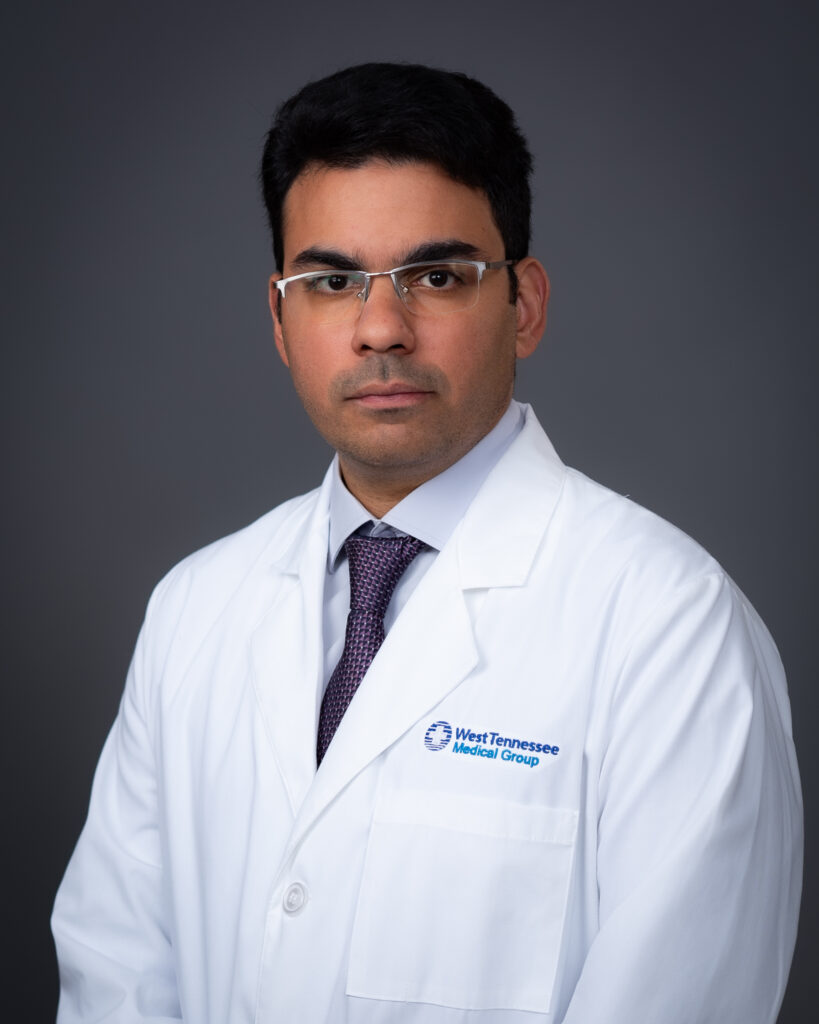
“For some cancers, especially those diagnosed at an early stage, surgery to remove the tumor may be the only treatment required. Often, however, surgery is part of a broader treatment plan,” said Adil Ayub, MD, complex surgical oncologist with West Tennessee Medical Group’s Jackson Surgical Associates. “The decision to pursue surgery depends on factors such as the type, location, stage, and grade of the tumor, as well as the patient’s overall health.”
Types of Cancer Surgery
Cancer surgery can serve different purposes depending on each patient’s needs. Common types include:
Curative surgery: Removes the entire tumor and some surrounding tissue to ensure complete removal. Works best for localized cancers. Often followed by chemotherapy or radiation.
Preventive (prophylactic) surgery: Removes tissue or organs at high risk of developing cancer, often in patients with strong family history or genetic mutations.
Reconstructive surgery: Restores appearance or function after treatment, such as breast reconstruction following mastectomy.
Staging surgery: Determines how far cancer has spread, often using an endoscope to view tissue and collect samples.
Supportive surgery: Helps other treatments, such as placing a port for chemotherapy.
Palliative surgery: Eases symptoms like pain or obstruction in advanced cancer, improving quality of life rather than aiming for cure.
Debulking surgery: Removes as much of a tumor as possible when complete removal is not possible, making other treatments more effective.
Diagnostic surgery/biopsy: Removes a sample or the entire lesion for analysis to confirm diagnosis and cancer stage.
Lymph node removal: Checks whether cancer has spread to nearby lymph nodes.
Surgical Techniques
Surgeons may also use different approaches:
Local excision: Removes a tumor with a margin of healthy tissue.
Partial or segmental resection: Removes part of an organ containing the tumor.
Radical surgery: Removes the tumor, surrounding tissues, and lymph nodes.
Minimally invasive surgery: Includes laparoscopic, robotic, or endoscopic methods. These involve smaller incisions, shorter recovery, and less pain.
Factors That Influence Surgical Decisions
Cancer surgery is rarely a decision made in isolation. Oncologists, radiologists, surgeons, and pathologists often work together to design a treatment plan.
According to Dr. Ayub, several key factors determine whether surgery is appropriate:
Tumor stage: Early-stage cancers are often easier to remove.
Tumor location: Accessibility affects the surgical approach.
Patient health: Existing conditions may affect safety and recovery.
Tumor biology: Aggressive cancers may require surgery plus additional therapies.
A Cornerstone of Cancer Care
Cancer surgery remains one of the most effective and trusted treatments for patients with localized tumors. While not always the sole therapy, it is often an essential part of a comprehensive treatment plan. Advances in surgical techniques continue to improve outcomes, offering hope to patients and families facing cancer.
If you or a loved one has been diagnosed with cancer, West Tennessee Healthcare’s Kirkland Cancer Center has specialists ready to provide personalized care at every stage of treatment. Find a provider and schedule an appointment today.


