


Cardiac catheterization, also called a coronary angiogram or heart catheterization, is a procedure used to diagnose or treat various heart conditions. A cardiologist typically recommends this test when other evaluations haven’t provided enough information to explain symptoms such as chest pain, shortness of breath, or abnormal test results.
This procedure allows physicians to precisely assess the heart’s health by visualizing blood flow, pressure, valves, chambers, and arteries. It’s one of the most effective ways to identify blocked arteries and other cardiac issues.
If you’ve been scheduled for a heart catheterization, you may feel uncertain about what to expect. Understanding the process can help you feel calm, informed, and confident before the procedure.
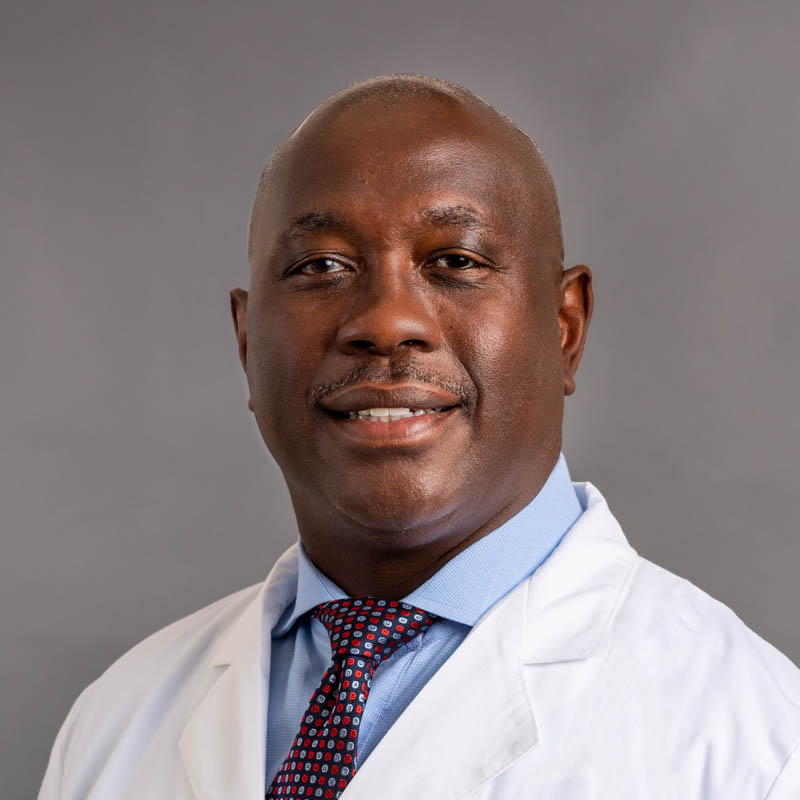
“Heart catheterization is a powerful tool for diagnosing and treating heart conditions, one that often leads to improved health and a brighter future,” said Tommy Miller, III, MD, FACC, cardiologist at West Tennessee Healthcare. “Like any medical procedure, there are risks, but serious complications are rare.
In a cardiac catheterization, a thin, flexible tube called a catheter is inserted into a blood vessel and guided to the heart to diagnose or treat heart conditions. The procedure itself is generally not painful, though you might feel some pressure or brief discomfort during the local anesthetic injection or when the catheter is advanced.”
Inside the Cath Lab
Heart catheterization is performed in a specialized catheterization lab, equipped with advanced imaging technology. Most procedures are done under conscious sedation, which allows you to remain awake but relaxed. A local anesthetic is applied to numb the area where the catheter will be inserted — typically in the groin or wrist.
Prior to the procedure, patients are usually asked not to eat or drink for several hours.
“When it’s time for the procedure, you’ll be brought into the lab and positioned on a table surrounded by monitors and equipment,” Dr. Miller explained. “After the insertion site is cleansed and numbed, a small incision is made so the catheter can be gently advanced through your blood vessel and guided to your heart using live X-ray images.”
Imaging and Treatment
Once the catheter reaches your heart, contrast dye is injected to make the chambers and arteries visible on screen. This allows the cardiologist to spot any blockages, measure blood flow and pressure, and assess overall heart function.
If a blockage or narrowing is found, your cardiologist may perform additional treatments during the same procedure, such as angioplasty (to widen the artery) or stent placement (to keep it open).
The entire process can take anywhere from 30 minutes to several hours, depending on the complexity of the case.
After the Procedure
When the catheterization is complete, the tube is gently withdrawn, and pressure is applied to the insertion site to prevent bleeding. You’ll then move to a recovery area, where you’ll stay for several hours while your care team monitors your condition.
If the catheter was placed in your groin, you may need to lie flat for a period to allow the incision to heal properly. Mild discomfort or bruising at the insertion site is normal, but severe pain is uncommon.
Most patients return home the same day, though some stay overnight for observation, especially if a stent or other intervention was performed. Your doctor will review the initial findings right after the procedure, and you’ll receive a detailed report during your follow-up visit.
Recovery and Follow-Up
Recovery at home is usually quick. Most patients resume normal routines within a few days, avoiding strenuous activity and heavy lifting until cleared by their physician. You’ll also receive clear instructions on how to care for the access site and recognize any warning signs of infection or bleeding.
At your follow-up appointment, your cardiologist will discuss your results and the next steps for ongoing heart health.
Expert Cardiology Care in West Tennessee
At West Tennessee Healthcare Heart and Vascular, our board-certified, nationally trained cardiologists offer comprehensive, state-of-the-art heart care for patients across the region. From preventive cardiology to advanced treatments for complex heart conditions such as heart failure, heart attack, arrhythmia, and valve disease, our team is dedicated to helping you live a longer, healthier life. Schedule an appointment with one of our providers today to discuss your heart health or upcoming procedure.


